Choosing an Oxygen Transmission Rate (OTR) analyzer is a significant investment for any packaging lab, R&D facility, or quality control department. Beyond brand and software, the fundamental measurement technology—Isostatic (Coulometric) Method or Manometric (Pressure Differential) Method—determines what you can test, how accurately, and at what long-term cost. This guide provides a clear, actionable comparison to help you navigate this critical choice, ensuring your selected OTR instrument aligns perfectly with your material portfolio and financial parameters.
The divergence starts at the physical principle used to detect permeating oxygen molecules.
The Isostatic (Coulometric Sensor) Method:
How It Works: This method maintains equal pressure (isostatic conditions) on both sides of the test sample. One side is exposed to flowing oxygen, while the other side has a flowing carrier gas (typically nitrogen). Every oxygen molecule that permeates through the material is carried to a coulometric sensor. This sensor generates an electrical signal directly proportional to the oxygen flux, providing a highly precise measurement. It is the basis for the widely recognized ASTM D3985 standard.
The Ideal Use Case: It is the benchmark for testing flexible packaging films, laminates, and sheets at standard laboratory conditions. Its strength lies in exceptional accuracy and repeatability for low-to-medium barrier materials.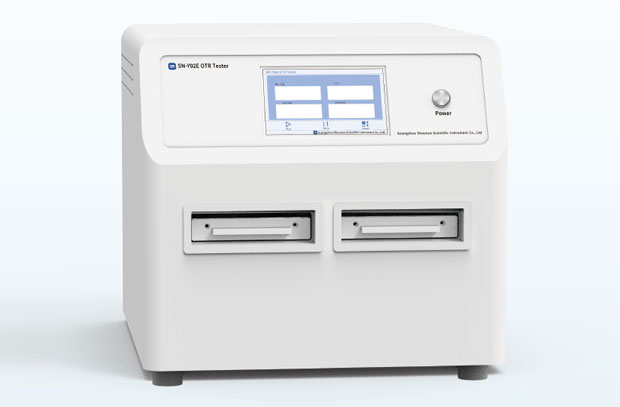
The Manometric (Pressure Differential) Method:
How It Works: This method creates a controlled pressure gradient. The test cell is evacuated, and pure oxygen is introduced on the high-pressure side. As oxygen permeates through the sample into the evacuated low-pressure chamber, it causes a minute, measurable increase in pressure. A sensitive manometric sensor monitors this pressure change over time to calculate the OTR. This method is defined by standards like ISO 15105-2 and ASTM D1434.
The Ideal Use Case: It excels in versatility. It is perfectly suited for testing rigid packages (bottles, containers), high-barrier and ultra-high-barrier materials, and films under a wide spectrum of temperatures and relative humidity levels. Its design also allows for easy adaptation to Water Vapor Transmission Rate (WVTR) testing.
Side-by-Side Analysis: Matching Technology to Need
| Feature | Isostatic (Coulometric) OTR Tester | Manometric (Pressure Differential) OTR Tester |
|---|---|---|
| Key Strength | Unmatched precision & sensitivity for films under standard conditions; direct oxygen measurement; excellent long-term stability for routine QC. | Unparalleled flexibility; extremely wide measurable range (from high to ultra-high barrier); independent control of temperature & humidity on each sample side. |
| Best For These Materials | Polyethylene (PE), PP, PET films, laminated structures, pharmaceutical blister foils, most common flexible packaging. | Plastic bottles, jars, trays, high-barrier films (e.g., EVOH, metallized), solar panel backsheets, and materials requiring condition testing. |
| Budget & Cost of Ownership | Generally features a lower initial acquisition cost for standard film testing models. Requires periodic sensor replacement, an ongoing consumable cost. | Typically commands a higher initial investment due to sophisticated vacuum and pressure systems. Has no oxygen-specific consumable sensors, leading to potentially lower recurring costs. |
| Condition Flexibility | Optimized for 23°C and specific humidities. Humidity control is often an add-on with limitations. | Full, independent control of temperature and humidity on both sides, enabling real-world environment simulation and advanced R&D studies. |
| Throughput for Common Films | Very high testing speed for typical films at moderate OTR levels, supporting high productivity in QC environments. | Can be faster for testing very high-barrier materials due to the strong driving force of the pressure differential. |
Your Selection Guide: Material-Driven, Budget-Smart Decisions
Choose an Isostatic (Coulometric) OTR Analyzer if:
Your primary focus is testing flexible films and laminates for compliance, QC, or development.
You require top-tier accuracy adhering to ASTM D3985 under standard conditions.
Upfront budget is a key constraint, and you need a dedicated, efficient instrument for high-volume film testing.
Your workflow demands fast, reliable results for production support and supplier qualification.
Choose a Manometric (Pressure Differential) OTR Analyzer if:
Your material mix is diverse, encompassing rigid packaging, bottles, and films of all barrier levels.
Your work in R&D or advanced validation requires simulating different climates, seasons, or challenging storage conditions.
You frequently test ultra-high barrier materials where detection limit is critical.
You view the purchase as a long-term capital investment for a central lab, valuing versatility, low consumable cost, and the ability to handle both OTR and WVTR on one platform.
The Isostatic/Coulometric method is the dedicated specialist—unbeatable for precision film testing. The Manometric/Pressure Differential method is the adaptable generalist—master of complex materials and conditions.
Start your selection process by listing the five most common materials you test and the required environmental conditions. For labs focused squarely on flexible films, the isostatic approach offers outstanding value and performance. For multidisciplinary labs facing diverse samples and research questions, the expanded capabilities of the manometric method provide a greater return on investment over time. By making an informed choice, you ensure your Oxygen Permeability Tester becomes a cornerstone of reliable packaging performance and innovation.
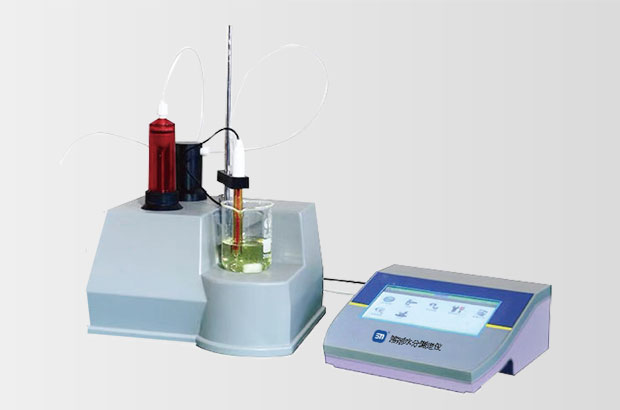
Solvent Moisture Tester: Hidden Moisture Control for Flexible Packaging & Pharma Compliance
07.09.2026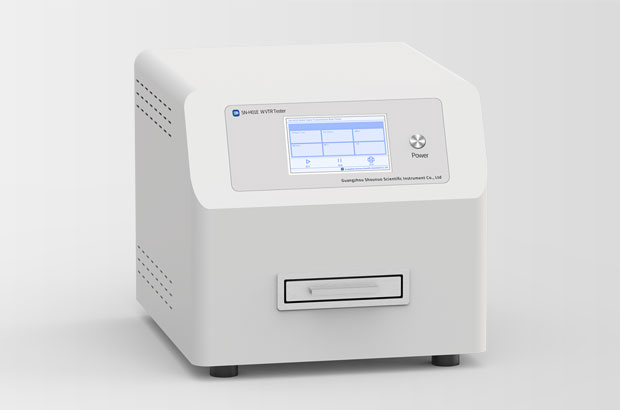
Water Vapor Transmission Rate Tester: Stop Moisture Damage, Extend Shelf Life
31.08.2026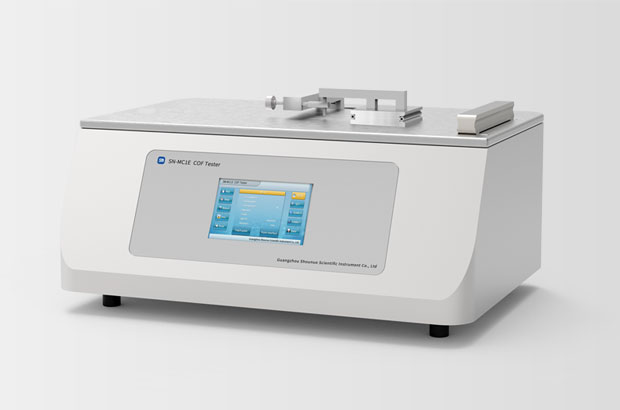
Coefficient of Friction Tester: The Complete Guide to COF Testing for Packaging, Food & Pharma
24.08.2026
Flexible Packaging Compression Testers: Strategic QA for Global Markets
17.08.2026


