If you’re reading this, chances are you’re tired of samples taking forever to dry, or maybe you’re dealing with inconsistent results from that old oven in the corner. You’ve probably heard the term Electric Blast Drying Oven thrown around, and you know it’s the upgrade you need. But walking through a catalog of specs can feel like learning a new language.
Don’t worry. Let’s strip away the jargon and talk about what really matters when you’re looking for a solid blast drying oven.
Here’s the main difference between a standard lab oven and a blast drying oven: the fan.
Think of a standard oven like heating up a car on a hot summer day. The air near the windows gets hot, but the back seat stays cool for a long time. That’s "gravity convection." It’s slow, and it’s uneven.
A blast oven, on the other hand, has a built-in fan (that’s the "blast" part) that actively pushes that hot air around. It’s like having a forced-air heating system in your house. The air moves constantly, wraps around your samples, and strips away moisture fast.
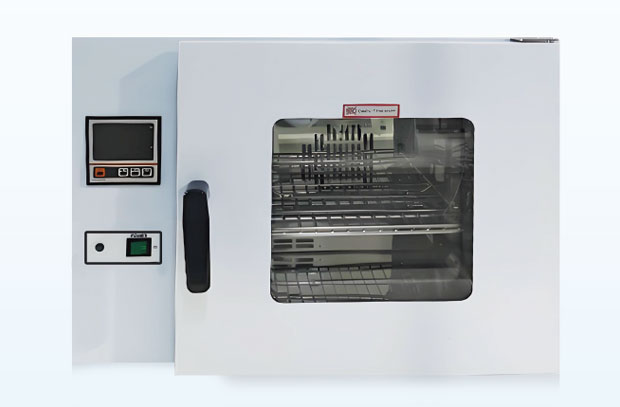
This is why if you’re doing things like drying glassware fast, curing coatings evenly, or running tests where every single sample needs the exact same conditions, you really want a forced air drying oven. You’re paying for that uniformity and that speed.
I know, looking at a spec sheet is boring. But when you’re comparing models, here are the two or three things I’d pay attention to if I were in your shoes:
The Material on the Inside: Look for "Stainless Steel." Not just because it looks clean, but because it won’t rust if you spill something, and it’s way easier to wipe down after a long day of work. Cheap models sometimes use coated mild steel, and over time, that coating can fail.
The "Uniformity" Number: You’ll see something like "±1.0°C at 100°C." This is the oven admitting how hot or cold different spots get. The smaller the number, the better. If you’re loading a full shelf of samples, you want the ones in the back to dry at the same rate as the ones in the front.
The Controller: Is it a simple knob? Or a digital panel? Most modern electric thermostatic blast ovens use a PID controller. Basically, this is a smart thermostat. It learns how your oven behaves so it doesn't overshoot the temperature by 20 degrees and then struggle to come back down. It just... sits right where you set it.
Honestly, I’ve seen these ovens in some surprising places.
Obviously, the labs—universities, pharma companies, food testing labs. They use them for everything from drying a plant sample to weighing it, to sterilizing equipment.
But I also had a client once who ran a small electronics repair shop. He used a blast drying oven to bake the moisture out of circuit boards that got water damaged. Another guy used one for preheating metal parts before welding. It’s a workhorse. If it needs to be dry, sterile, or heat-treated, this is the tool.
This is the part the manuals don’t always scream loud enough:
Do not put anything flammable in there.
I know that sounds obvious, but you’d be surprised. Solvents, certain plastics, paper—if it catches fire, the fan inside will just feed it oxygen and make it worse. These ovens are not explosion-proof. If you need to dry something with volatile chemicals, you need a specialized vacuum oven, not a standard blast drying oven.
Also, give it some breathing room. Don’t shove it right against the wall. It needs to pull in cool air and push out hot, humid air to work efficiently.
Buying an electric blast drying oven is one of those purchases that just makes your daily work easier. It takes the guesswork out of drying. You load it, set the temp, and trust that the airflow is doing its job evenly across every shelf.
Whether you need a small 50-liter benchtop model or a giant floor-standing unit for production, focus on the build quality and the airflow design. Get those right, and that oven will probably still be running long after you’ve retired.

Solvent Moisture Tester: Hidden Moisture Control for Flexible Packaging & Pharma Compliance
07.09.2026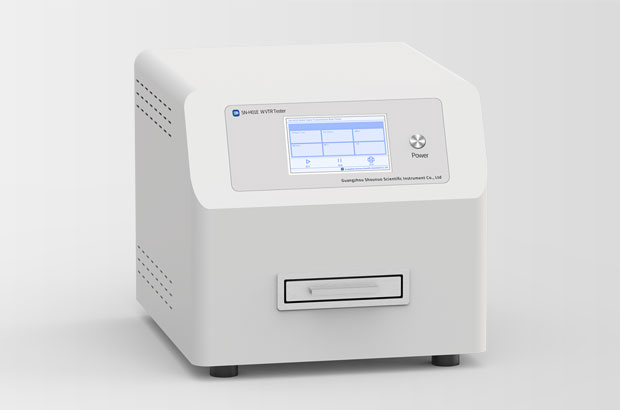
Water Vapor Transmission Rate Tester: Stop Moisture Damage, Extend Shelf Life
31.08.2026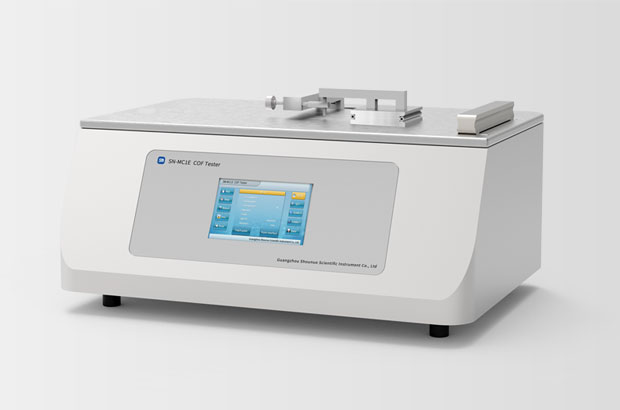
Coefficient of Friction Tester: The Complete Guide to COF Testing for Packaging, Food & Pharma
24.08.2026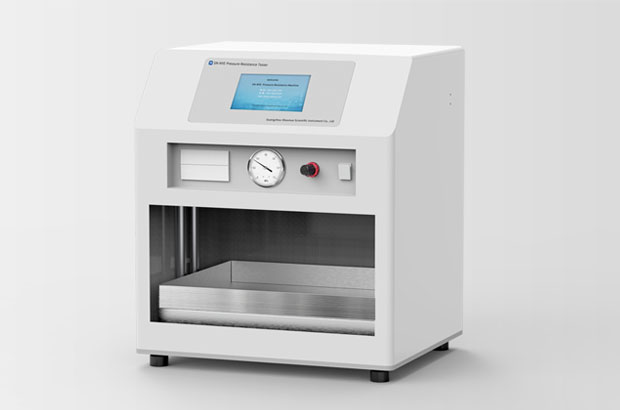
Flexible Packaging Compression Testers: Strategic QA for Global Markets
17.08.2026


