In the packaging industry, what you can’t see can hurt you—and your brand reputation. For manufacturers of flexible packaging, food wrappers, and pharmaceutical blister packs, the invisible threat of solvent residue is a constant challenge.
If your production line involves printing, lamination, or coating, you already know that the wrong residual solvent can lead to product recalls, health hazards, and failed regulatory audits. This is where a gas chromatograph becomes not just a piece of lab equipment, but the cornerstone of your quality control system.
Modern packaging relies heavily on inks, adhesives, and coatings. During the drying process, solvents should ideally evaporate. However, residual solvents often remain trapped in the laminate structure. If left undetected, these residues can taint food products or cause health issues for end consumers.
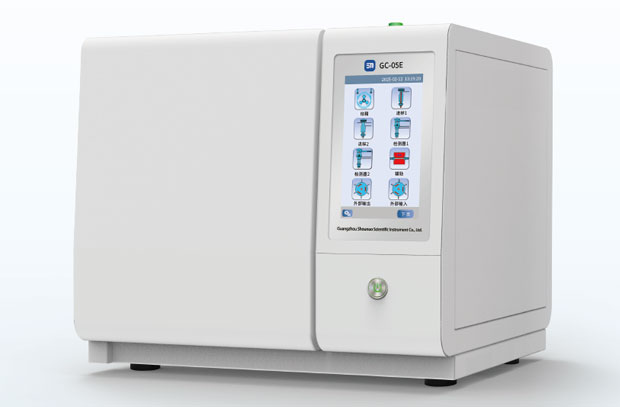
A high-performance gas chromatograph (GC) is the only reliable method to identify and quantify these trace amounts with precision. For packaging plants, the goal is simple: ensure that the final product is safe, odorless, and compliant with global safety standards like GB/T 10004 or EU food contact regulations.
Not all solvents are created equal. In the world of packaging printing, the "dirty dozen" often includes a mix of aromatic hydrocarbons, alcohols, and esters. A robust GC setup for this industry must be capable of separating complex mixtures with high sensitivity.
Here are the common culprits we track daily in packaging quality labs:
Aromatic Hydrocarbons: Benzene, Toluene, Ethylbenzene, Xylene (BTEX)
Ketones: Cyclohexanone, 4-Methyl-2-pentanone (also known as MIBK)
Alcohols: Ethanol, Isopropanol, Propanol, Butanol, n-Butanol
Esters: Ethyl acetate, Isopropyl acetate, n-Butyl acetate
Miscellaneous: Aniline, and other trace impurities
Whether you are verifying the purity of incoming ink solvents or checking the final printed roll for trace levels of benzene (a known carcinogen), the analytical power of a gas chromatograph ensures nothing slips through the cracks.
For packaging engineers, the biggest headache is often the matrix interference. When you test a printed film, you aren’t just testing one chemical; you are testing a mixture of 10 to 20 different solvents simultaneously.
For example, distinguishing between Ethyl acetate and Ethanol—two very common solvents in gravure printing—requires a column with specific polarity. Similarly, separating Xylene isomers from Ethylbenzene demands precise temperature programming.
Modern gas chromatographs designed for packaging applications typically utilize headspace sampling. This is a critical feature. Instead of injecting the liquid ink (which can damage the column), the sample is heated in a sealed vial. The volatile organic compounds (VOCs) rise into the "headspace," and that gas is injected into the GC.
This method allows you to test the actual finished product—the packaging film—without destroying the sample or introducing contaminants from the liquid ink itself.
If you are in the market for a new system, here are the technical specifications that matter most for solvent residue analysis:
Solvent boiling points range widely. Ethanol boils at 78°C, while Cyclohexanone boils at 155°C. You need a GC with rapid ramp rates and stable temperature control to resolve these peaks without excessive runtime.
Regulatory limits for solvents like Benzene are often in the parts-per-million (ppm) or even parts-per-billion (ppb) range. A Flame Ionization Detector (FID) is the standard choice for packaging labs due to its reliability and broad response to hydrocarbons and oxygenates like Isopropanol and Butyl acetate.
Packaging plants run hundreds of samples daily. An autosampler is non-negotiable. It allows you to load samples (strips of printed film) overnight and have the gas chromatograph run sequences without manual intervention, drastically improving throughput.
Ink Formulation QC: Ensuring that incoming Ethyl acetate or Isopropyl alcohol meets purity specs before mixing.
Lamination Verification: Checking adhesives for residual Toluene that could cause delamination or odor issues later.
Regulatory Compliance: Proving to retailers and food brands that your packaging contains no detectable Benzene or restricted amines like Aniline.
To get the most out of your gas chromatograph, consider the calibration process. Using certified reference standards for the specific solvents on your list—such as a custom mix of Methyl ethyl ketone, n-Butanol, and Ethylbenzene—ensures that your response factors are accurate.
Remember, data integrity is key. A modern GC system should come with compliant software (21 CFR Part 11 if you are in pharmaceuticals or medical packaging) to track every injection and prevent data manipulation.
In the fast-paced world of packaging, quality control cannot be a guessing game. Whether you are printing snack wrappers, beverage cartons, or pharmaceutical pouches, investing in a reliable gas chromatograph is an investment in consumer safety and brand trust.
By choosing a system designed for high-throughput headspace analysis, capable of separating complex mixtures of alcohols, esters, and aromatics, you ensure that every roll leaving your factory is not only visually appealing but chemically safe.
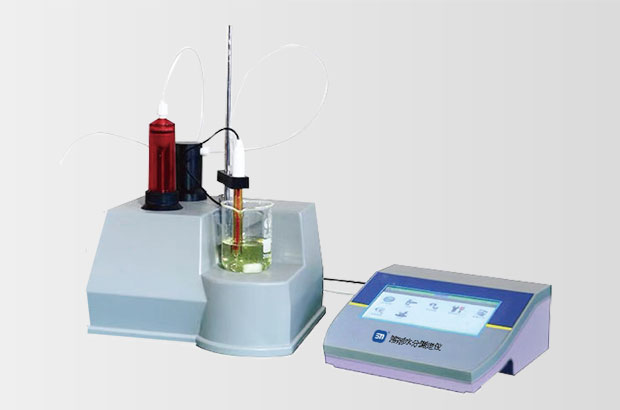
Solvent Moisture Tester: Hidden Moisture Control for Flexible Packaging & Pharma Compliance
07.09.2026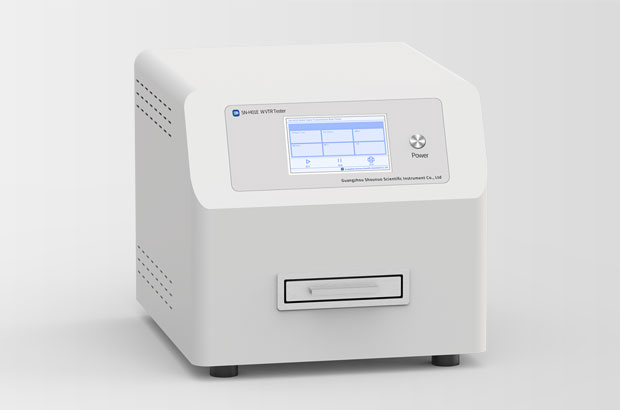
Water Vapor Transmission Rate Tester: Stop Moisture Damage, Extend Shelf Life
31.08.2026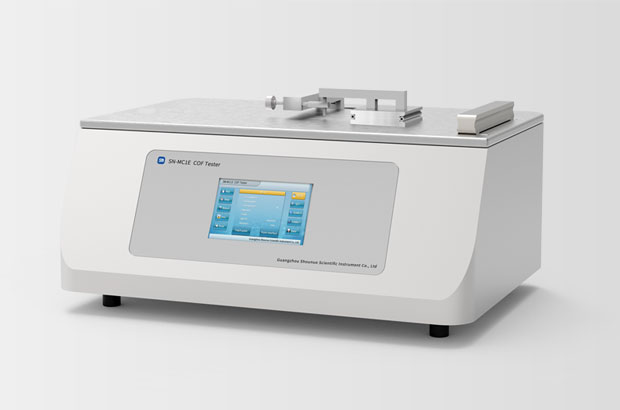
Coefficient of Friction Tester: The Complete Guide to COF Testing for Packaging, Food & Pharma
24.08.2026
Flexible Packaging Compression Testers: Strategic QA for Global Markets
17.08.2026


