A tiny leak in a sealed package can ruin an entire shipment. Whether it’s spoiled food, leaked liquid, or a broken sterile barrier, the result is always the same: angry customers, costly returns, and damaged trust. The good news is that most packaging leaks can be caught before products ever leave your facility, provided you know how to detect them properly and what to do when you find one.
Not all leaks are visible. Some are microscopic channels that only reveal themselves under proper testing. That’s why quality control teams rely on a seal tester – an instrument that applies vacuum or pressure to a sealed package and measures any gas escape. The most common and reliable method is the vacuum decay leak test, which follows the ASTM F2338 standard. In this test, you place the package inside an enclosed chamber, pull a vacuum, and monitor pressure changes. If the package leaks, gas escapes and the instrument detects a pressure shift. This method is non‑destructive, so tested packages can still be sold.
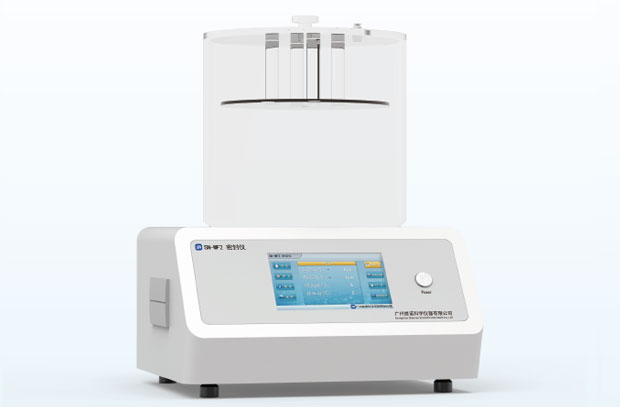
So what should you do when you suspect a packaging leak? Start with a visual inspection – look for wrinkles, residue, or obvious damage. For flexible bags, a gentle squeeze can reveal gross leaks. But for critical applications like food, medical devices, or pharmaceuticals, visual checks are not enough. You need a proper packaging leak tester. Depending on your product, you might also consider bubble emission testing (simple but destructive) or pressure decay leak testing (great for rigid containers). For extreme sensitivity, helium leak testing can detect leaks down to 1×10⁻¹⁰ mbar·L/sec, but for most routine quality control, a vacuum decay seal tester offers the best balance of speed, sensitivity, and ease of use.
When a package leak test fails, don’t panic – treat it as valuable data. Trace the defective package back to its production line. Check sealing temperature, pressure, and dwell time. Look for contamination on the seal area, worn sealing bars, or inconsistent material thickness. Fix the root cause, then retest a new sample set. Many modern seal testers come with data logging and audit trails, which help with regulatory compliance, especially in pharmaceuticals where container closure integrity testing (CCIT) is mandated by USP <1207> and ISO 11607.
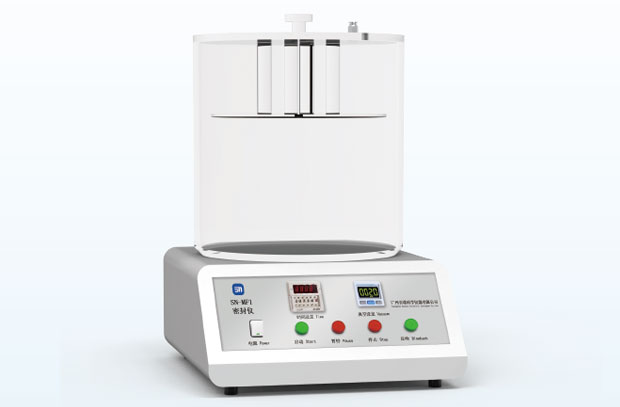
Different industries need different levels of seal integrity. For a bag of chips, a simple bubble test might be enough. For an injectable drug vial, you likely need an automated vacuum decay leak test system that complies with 21 CFR Part 11. The updated ASTM F2338‑24 standard (late 2024) provides the latest specifications for rigid trays, semi‑rigid non‑lidded trays, and flexible nonporous packages.
To make your leak detection for packaging effective, calibrate your seal tester regularly, train your operators thoroughly, and always use the correct test chamber for your package shape. Whether you’re sealing coffee pouches, medical trays, or cosmetic tubes, make seal integrity testing a routine part of your quality check. The cost of a leak testing instrument is tiny compared to the cost of a recall. Test early, test often – and catch those leaks before your customers do.
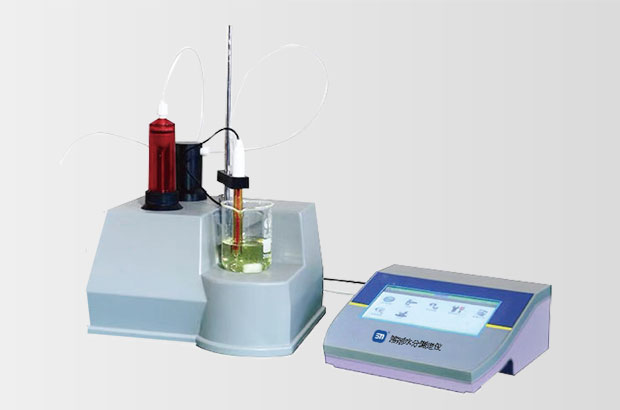
Solvent Moisture Tester: Hidden Moisture Control for Flexible Packaging & Pharma Compliance
07.09.2026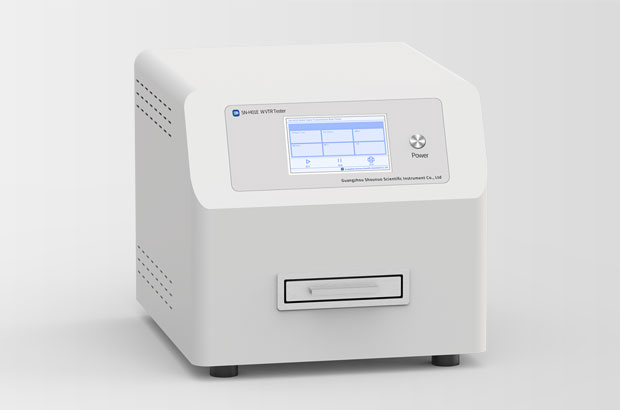
Water Vapor Transmission Rate Tester: Stop Moisture Damage, Extend Shelf Life
31.08.2026
Coefficient of Friction Tester: The Complete Guide to COF Testing for Packaging, Food & Pharma
24.08.2026
Flexible Packaging Compression Testers: Strategic QA for Global Markets
17.08.2026


