In today’s global packaging industry, flexible package integrity is more than a quality metric—it is a business imperative. With supply chains spanning continents and e‑commerce volumes soaring, packaging failures have become costly disruptions that damage brands, invite regulatory scrutiny, and erode consumer trust. For manufacturers serving Europe, North America, Southeast Asia, and the Middle East, the question is no longer whether to test compression performance, but how to strategically deploy bag compression testers, pack burst testers, and compression strength testers within quality assurance systems.
Traditional views reduce bag compression testers to simple inspection devices that check pressure thresholds. Modern instruments, however, act as diagnostic platforms bridging packaging design, material science, and real‑world logistics.
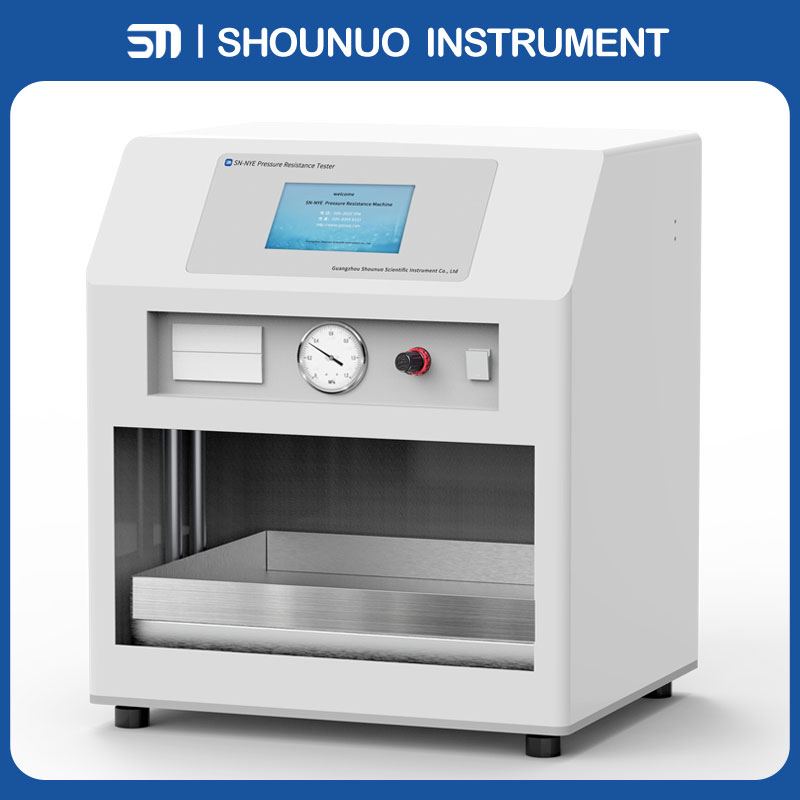
The global packaging compression tester market was valued at USD 572 million in 2024 and is projected to reach USD 751 million by 2031 (CAGR 4.0%), partly driven by stricter standards worldwide.
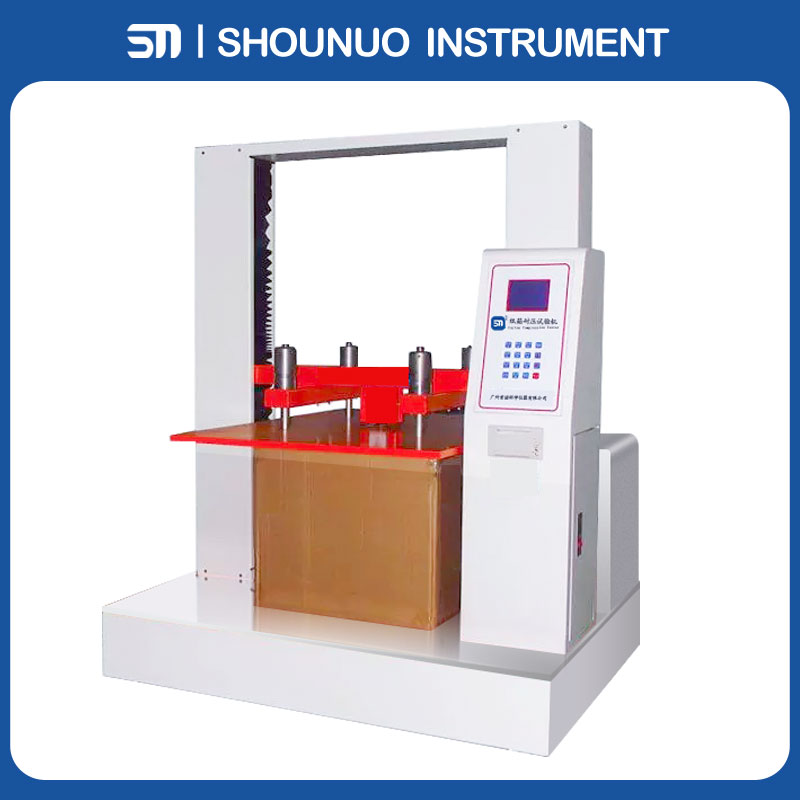
Strategic deployment of these three tester types transforms quality control from a cost centre into a differentiator. Front‑end or incoming material testing minimises large‑scale failures, avoiding costly returns, claims, and reputational harm. Long‑term testing data builds a valuable packaging database for new product development and continuous improvement. Modern units feature HMI touchscreens, PLC control, automatic pressure compensation, and real‑time data logging, enabling proactive design optimisation rather than reactive fixes.
In an increasingly competitive and regulated global marketplace, bag compression testers, pack burst testers, and compression strength testers have evolved into strategic quality assets. They protect products from production to the consumer while delivering data‑driven insights for ongoing improvement. For manufacturers targeting Europe, North America, Southeast Asia, and the Middle East, investing in comprehensive compression testing is not merely about compliance—it demonstrates professionalism, product responsibility, and builds lasting trust with discerning global customers.
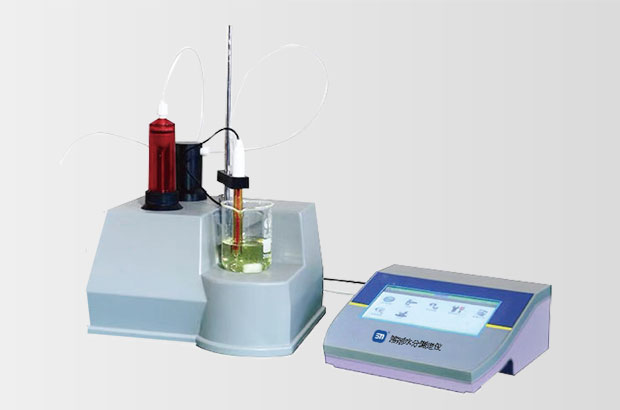
Solvent Moisture Tester: Hidden Moisture Control for Flexible Packaging & Pharma Compliance
07.09.2026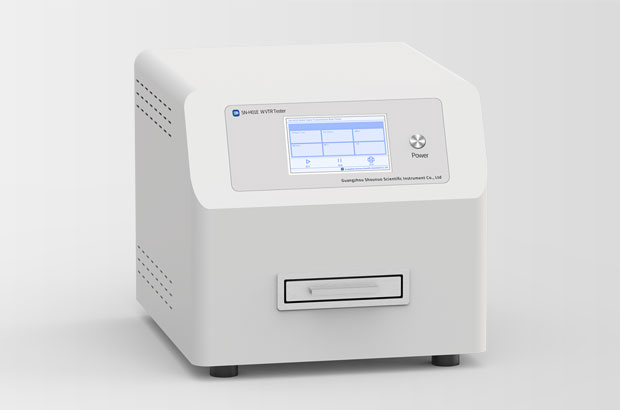
Water Vapor Transmission Rate Tester: Stop Moisture Damage, Extend Shelf Life
31.08.2026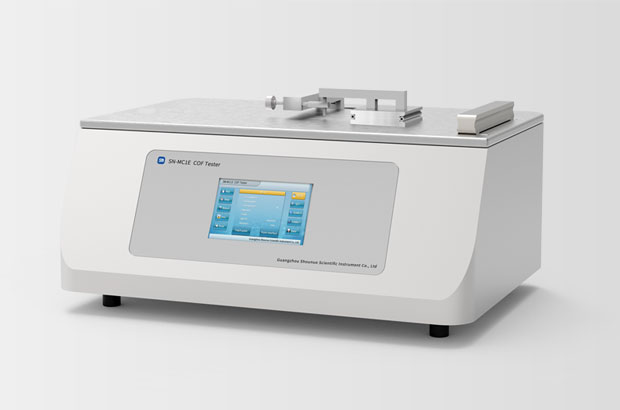
Coefficient of Friction Tester: The Complete Guide to COF Testing for Packaging, Food & Pharma
24.08.2026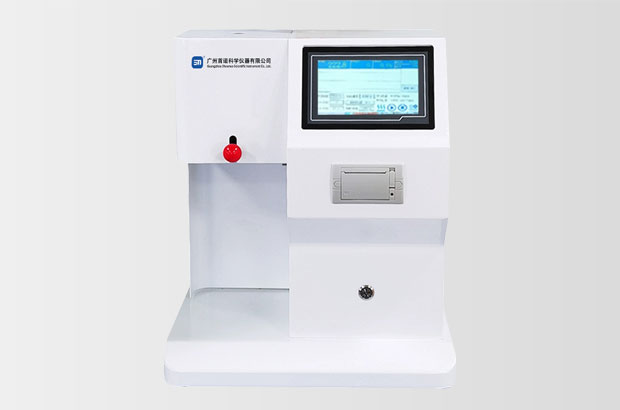
Melt Flow Index Tester | SN-RR2E for ASTM D1238 & ISO 1133
04.08.2026


