A packaged snack turns soft before its expiration date. A blister pack of tablets loses potency in a humid warehouse. A medical device pouch shows condensation inside a sterile barrier. In most cases, the product itself is not the problem. The real issue is the packaging barrier — and the lack of accurate moisture transmission data during development and quality control.
That is exactly where a Water Vapor Transmission Rate Tester becomes the most important instrument in your packaging lab.
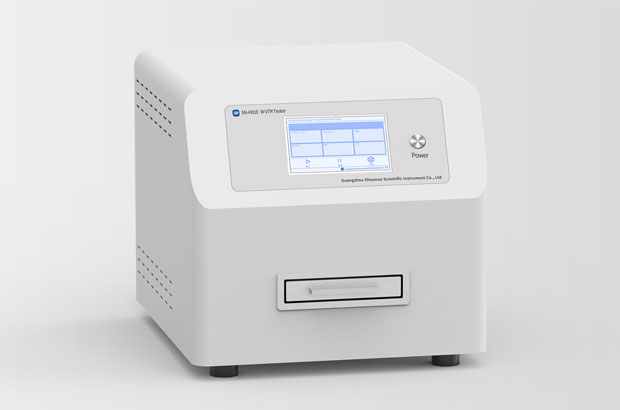
Whether you call it a WVTR tester, a moisture vapor transmission rate tester, or a water vapor permeability tester, this instrument measures how much water vapor passes through a material over a defined time and area. The result is usually expressed in g/m²/day or g/pkg/day. It is the benchmark metric for barrier performance in food, pharmaceutical, medical, and industrial packaging.
A Water Vapor Transmission Rate Tester is a precision laboratory instrument designed to quantify the water vapor transmission rate of films, sheets, laminates, coated materials, and finished packages. It is commonly referred to as a WVTR testing instrument or WVTR testing equipment.
The test principle is straightforward: a sample is mounted between a dry chamber and a controlled humidity chamber. As water vapor permeates through the material, the instrument detects and calculates the transmission rate using high-sensitivity sensors such as:
These methods support international standards including ASTM F1249, ISO 15106, ASTM E96, and DIN 53122, giving your lab the confidence to release products for global markets.
Moisture is a silent saboteur. It reduces product quality, shortens shelf life, damages brand reputation, and triggers costly recalls. For packaging engineers and quality managers, a small change in barrier performance can mean the difference between passing stability testing and losing a production batch.
A difference of just 0.05 g/m²/day in water vapor transmission can reduce shelf life by weeks or months in high-humidity environments. This is especially critical for:
Without reliable data from a water vapor transmission rate testing instrument, you are essentially guessing whether your packaging will protect the product in real-world distribution.
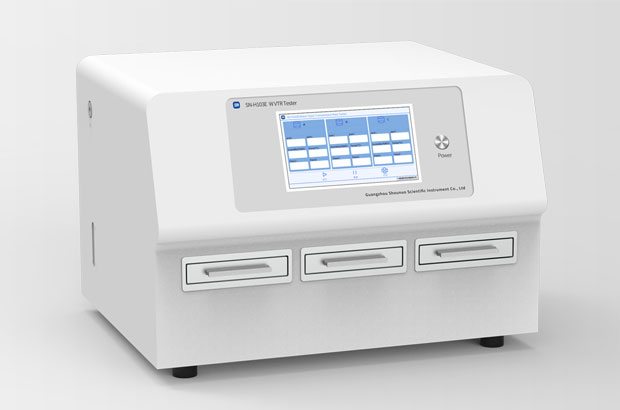
Flexible films, stand-up pouches, lidding films, and edible oil barriers all need precise moisture barrier data. A WVTR tester helps food manufacturers compare substrates, validate supplier claims, and predict shelf life under tropical or desert climates.
Drug stability is directly linked to moisture ingress. Blister packs, aluminum foil laminates, cold-form films, and HDPE bottles must meet strict pharmacopeia requirements. A moisture vapor transmission rate tester is essential for R&D, incoming material inspection, and batch release.
Moisture can corrode circuits, degrade adhesives, and damage sensitive components. Barrier bags, vacuum packaging, and desiccant systems are validated using water vapor permeability testing equipment to ensure long-term protection.
When selecting a WVTR testing instrument, confirm that it can perform tests according to the standards your customers or regulatory bodies require:
A modern water vapor transmission rate tester should offer flexibility to switch between film, sheet, and finished package testing, so one instrument can serve multiple departments.
Choosing the right WVTR testing equipment is not just about price. It is about accuracy, repeatability, and long-term operational cost. Here are the most important factors to evaluate:
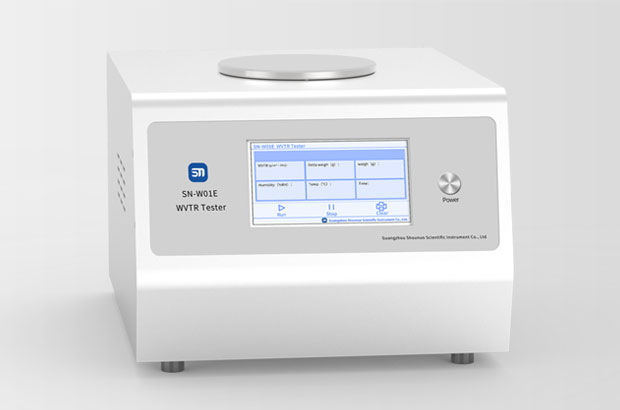
Coulometric and infrared sensor methods provide high sensitivity for high-barrier materials, while gravimetric methods are often used for lower-barrier or breathable materials. Ask whether the instrument covers your full test range.
Real packaging environments vary. Your Water Vapor Transmission Rate Tester should allow precise control of temperature and relative humidity — for example, 23°C/50% RH, 38°C/90% RH, or 25°C/75% RH — to simulate different climate zones.
Independent testing chambers increase throughput and allow parallel testing of different samples. This is especially valuable for high-volume quality control labs.
For pharmaceutical and medical device manufacturers, data security is critical. Look for features such as audit trails, user management, electronic signatures, and compliance with FDA 21 CFR Part 11 and GMP/GLP requirements.
Touchscreen operation, pre-programmed test methods, and automatic report generation reduce operator error and training time. Your lab team should be able to start a test in minutes, not hours.
A common misconception is that a WVTR tester is only a testing expense. In reality, it is a cost-saving investment.
For packaging converters serving international brands, an in-house WVTR testing instrument is also a strong selling point. It demonstrates that your facility is committed to quality and technical capability.
If you are comparing models from different manufacturers, use this checklist:
A well-designed Water Vapor Transmission Rate Tester should feel less like a complicated instrument and more like a reliable partner in your packaging development process.
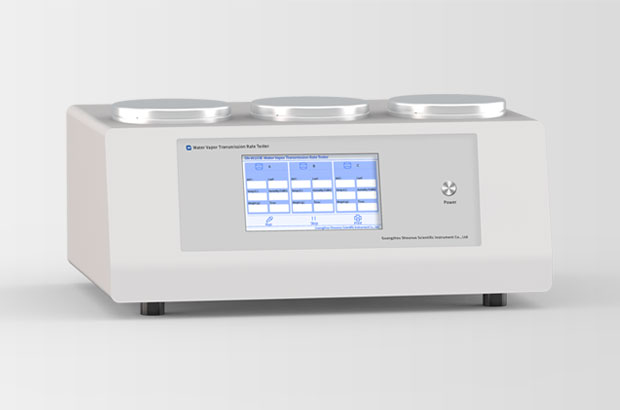
In practice, WVTR and MVTR describe the same physical property. “WVTR” is more common in sensor-based methods such as ASTM F1249 and ISO 15106, while “MVTR” often appears in gravimetric or older standard contexts. Both refer to the rate at which water vapor passes through a material.
The most common unit is g/m²/day. For finished packages, it may be expressed as g/pkg/day. Some North American labs still use g/100 in²/day.
ASTM F1249 and ISO 15106 are widely used for films and sheets. Finished containers may be tested according to USP <671> or specific pharmacopeia methods.
Yes. Many advanced WVTR testing equipment models support interchangeable test cells for films, sheets, pouches, bottles, and other package formats.
It depends on the barrier level, sample thickness, and test conditions. After the sample reaches equilibrium, a high-barrier film test may take several hours, while a breathable material may produce results in under an hour.
Our Water Vapor Transmission Rate Tester is built for packaging laboratories that cannot afford inaccurate results. It combines high-precision sensor technology, stable temperature and humidity control, and intuitive software to deliver repeatable WVTR data across a wide range of materials.
Whether you are developing a new high-barrier film for pharmaceutical blister packs or validating a flexible pouch for export to Southeast Asia, our WVTR testing instrument gives you the data you need to make confident decisions.
We support customers across Europe, the Middle East, Southeast Asia, and the Americas with application guidance, installation, training, and after-sales service. Our team understands the specific requirements of food, pharmaceutical, medical device, and industrial packaging industries — and we are ready to help you meet them.
Do not let moisture be the reason your product fails in the field. Invest in a reliable Water Vapor Transmission Rate Tester and gain full control over your packaging barrier performance.
Contact our application engineers today to discuss your test requirements, request a quotation, or schedule a live demonstration of our WVTR testing equipment. Let us help you choose the right configuration for your materials, standards, and production volume.
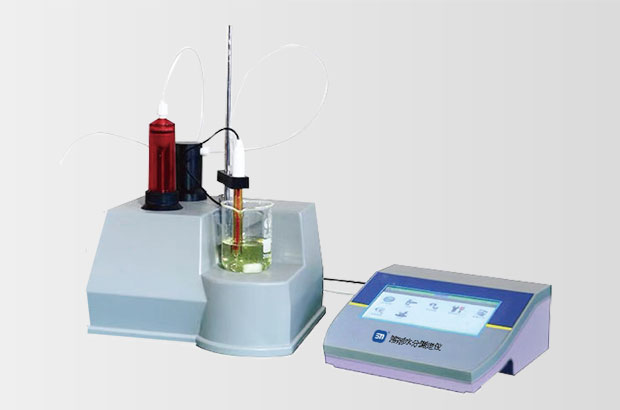
Solvent Moisture Tester: Hidden Moisture Control for Flexible Packaging & Pharma Compliance
07.09.2026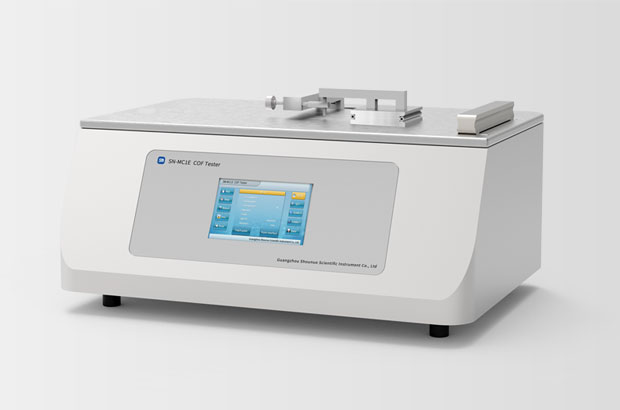
Coefficient of Friction Tester: The Complete Guide to COF Testing for Packaging, Food & Pharma
24.08.2026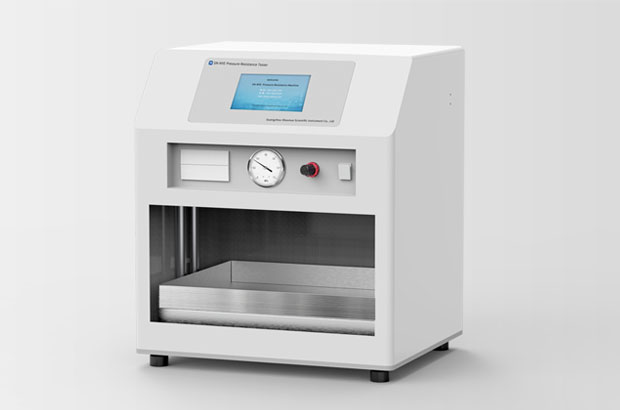
Flexible Packaging Compression Testers: Strategic QA for Global Markets
17.08.2026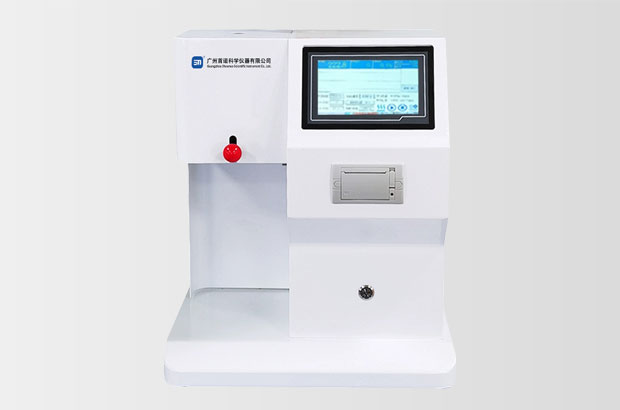
Melt Flow Index Tester | SN-RR2E for ASTM D1238 & ISO 1133
04.08.2026


