Every minute, packaging lines around the world stop because a film is too slippery or too sticky. Pouches slide off conveyor belts, blister packs jam in forming stations, and labels peel away from containers. These failures share a common cause: the coefficient of friction (COF) between surfaces is outside the acceptable range. A coefficient of friction tester helps you measure this critical property with precision, ensuring your materials perform reliably from production to end use.
In this guide, you’ll learn what a coefficient of friction tester does, why it matters for food, pharmaceutical, and packaging quality control, and how to select the right instrument for your lab or factory.
A coefficient of friction tester—often called a COF tester or friction tester—is a laboratory instrument that measures the resistance to sliding between two surfaces. In packaging applications, one surface is usually a plastic film, paperboard, foil, or coated material, and the other is either the same material or a standard metal sled.
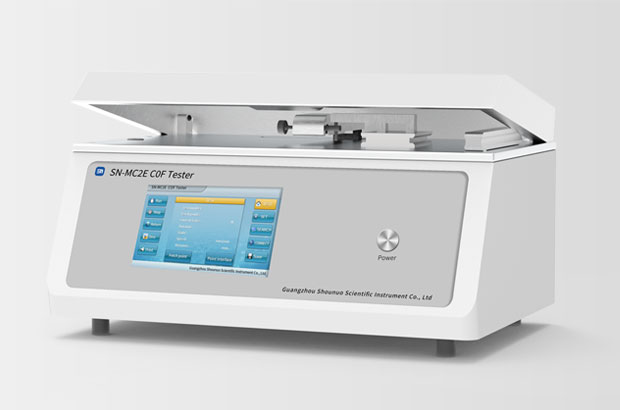
The tester typically consists of a horizontal test bed, a motorized sled or moving plane, a load cell, and software for data acquisition. During a test, the sled is pulled at a constant speed across the sample. The force required to initiate movement gives the static coefficient of friction, while the force needed to maintain movement gives the kinetic coefficient of friction.
Modern digital coefficient of friction testers automatically calculate both values and display them in real time, making it easy to compare materials against specifications.
COF directly affects how materials behave on automated packaging lines, during transport, and in consumer handling. Here’s why testing matters:
Understanding the two types of COF is essential for interpreting test results:
In packaging, static COF is often more critical for stack stability and label placement, while kinetic COF matters for high-speed film transport. A good coefficient of friction tester reports both values in a single run.
Reputable coefficient of friction testers are designed to comply with international standards. The most common are:
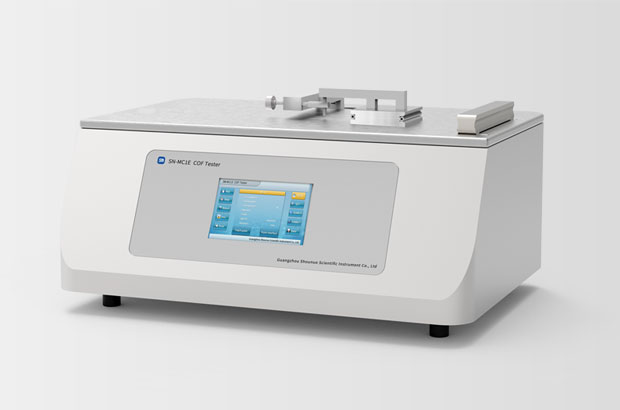
When choosing a coefficient of friction tester, check that it supports the standard relevant to your market. Some instruments offer pre-programmed test methods for ASTM D1894 and ISO 8295, reducing setup time and operator error.
Selecting a COF tester for your food, pharmaceutical, or packaging lab involves more than comparing prices. Consider these factors:
Q: What is a coefficient of friction tester used for?
A: It measures the static and kinetic coefficient of friction between two surfaces, most commonly packaging films and sheeting. This data helps manufacturers predict material behavior on packaging lines and ensure product quality.
Q: What is the difference between ASTM D1894 and ISO 8295?
A: Both standards measure COF of plastic film and sheeting, but they differ in sample preparation, sled dimensions, and test speed. ASTM D1894 is common in North America; ISO 8295 is widely used in Europe and Asia. Many testers support both.
Q: Can a coefficient of friction tester measure both static and kinetic COF?
A: Yes. Modern digital COF testers automatically record the initial peak force (static) and the average force during sliding (kinetic), then calculate both coefficients.
Q: How do I calibrate a COF tester?
A: Calibration typically involves verifying the load cell with certified weights and checking the speed with a calibrated tachometer. Some manufacturers provide calibration kits and procedures.
Q: What materials can be tested?
A: Plastic films, paper, paperboard, foil, coated materials, nonwovens, and many other flat surfaces. The material must be large enough to mount on the test bed.
A coefficient of friction tester is not just a lab instrument—it’s a quality assurance tool that protects your production line, your products, and your brand. By measuring static and kinetic COF accurately and consistently, you can prevent packaging failures, reduce waste, and meet the strict requirements of food, pharmaceutical, and packaging industries.
When selecting a tester, prioritize standards compliance, accuracy, and ease of use. Whether you’re testing flexible films for snack packaging, blister foils for pharmaceuticals, or carton board for shipping boxes, the right COF tester will pay for itself through fewer line stoppages and higher customer satisfaction.
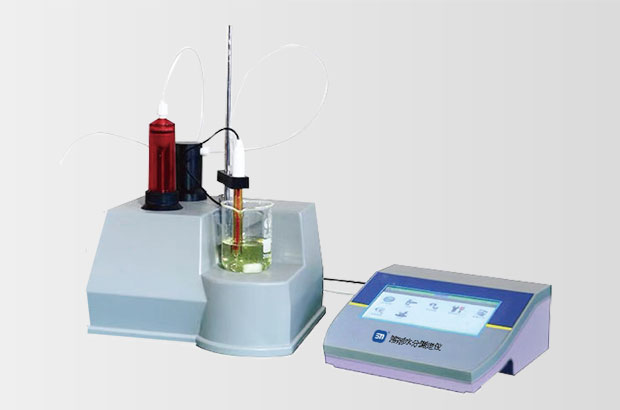
Solvent Moisture Tester: Hidden Moisture Control for Flexible Packaging & Pharma Compliance
07.09.2026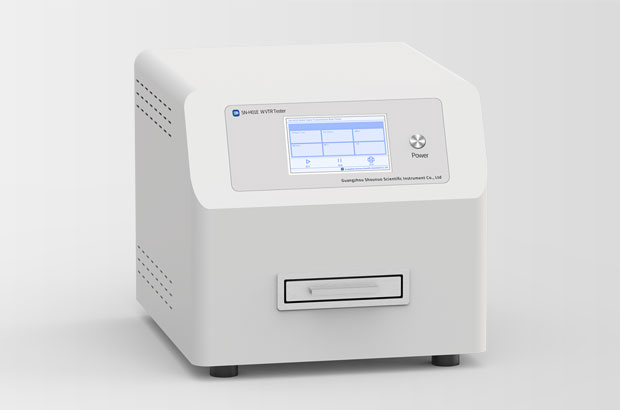
Water Vapor Transmission Rate Tester: Stop Moisture Damage, Extend Shelf Life
31.08.2026
Flexible Packaging Compression Testers: Strategic QA for Global Markets
17.08.2026
Melt Flow Index Tester | SN-RR2E for ASTM D1238 & ISO 1133
04.08.2026


