In flexible packaging production and quality inspection, the appropriateness of the heat sealing process directly determines the package’s seal strength and final product reliability. The heat sealer, as a laboratory device simulating bag‑making heat sealing conditions, functions by independently adjusting the three variables of temperature, pressure, and time under controlled conditions to produce specimens for subsequent seal strength testing. Proper use of a heat sealer can effectively shorten production line commissioning cycles and reduce material waste caused by improper parameter settings.
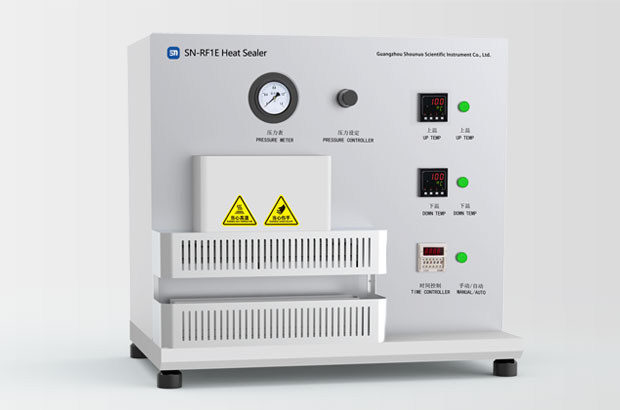
Different packaging material structures have different suitable ranges of heat sealing temperature and dwell time. The table below summarizes the initial setting ranges for common flexible packaging materials on a laboratory heat sealer. These data are based on standard conditions: heat seal pressure 0.2–0.4 MPa, seal bar width 5–10 mm, dwell time 0.7–1.0 seconds. In practice, fine adjustment should be made according to specific film batches and equipment status.
|
Material Structure
|
Thickness (μm)
|
Recommended Temperature Setting (°C)
|
Heat Seal Time (s)
|
|
LDPE
|
20-160
|
105-150
|
0.7-1.0
|
|
MDPE
|
20-120
|
115-145
|
0.7-1.0
|
|
HDPE
|
20-90
|
125-150
|
0.7-1.0
|
|
CPP
|
20-70
|
120-160
|
0.7-1.0
|
|
OPP/PE
|
40-80
|
130-150
|
0.7-1.0
|
|
OPP/PP
|
40-60
|
135-160
|
0.7-1.0
|
|
OPP/CPE
|
40-80
|
130-155
|
0.7-1.0
|
|
OPP/CPP
|
40-80
|
135-160
|
0.7-1.0
|
|
OPP/MCPP
|
45-60
|
140-155
|
0.7-1.0
|
|
OPP/PET/CPE
|
55-110
|
145-160
|
0.7-1.0
|
|
OPP/PET/CPP
|
55-90
|
105-160
|
0.7-1.0
|
|
PET/AL/CPE
|
55-90
|
105-160
|
0.7-1.0
|
|
NY/CPP
|
55-80
|
145-170
|
0.7-1.0
|
|
NY/CPE
|
55-80
|
140-160
|
0.7-1.0
|
After receiving a new material, the most direct approach is to first locate the corresponding structure in the table above, and take the low‑to‑mid portion of the temperature interval as a starting point. For a NY/CPP structure, for example, one may start at 145°C. Set a fixed pressure (e.g., 0.3 MPa) and a fixed dwell time (e.g., 0.8 seconds), then increase the temperature stepwise at intervals of 5°C or 10°C, producing heat‑sealed specimens at each step. It is advisable to prepare 3 to 5 replicate specimens at each temperature to reduce random error.
After preparing the specimens, cut them into 15 mm wide strips and measure the peel force of each seal using a tensile tester, recording the mean and standard deviation at each temperature. Plot a curve with temperature on the horizontal axis and seal strength on the vertical axis. Typically, as temperature increases, seal strength first rises and then enters a relatively stable plateau. The optimum set point is generally chosen on the low‑temperature side of the plateau, approximately 5°C below the lower limit of the plateau. The advantage of this choice is that even if slight temperature fluctuations occur during production, the process is unlikely to enter the overheating zone where seals become brittle or the heat seal layer is damaged.
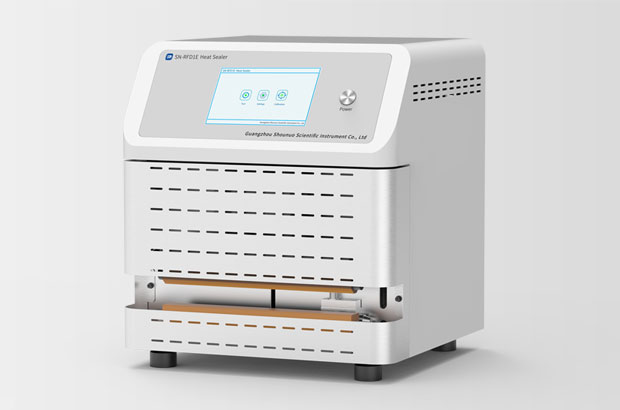
When transferring the laboratory‑optimized parameters to the bag‑making machine, minor corrections are needed based on factors such as production line speed and cooling conditions. Typically, temperature adjustments within ±5°C are sufficient. Thereafter, periodic checks of seal strength and comparison with laboratory data will establish a stable set of production parameters.
When selecting and using a heat sealer, several technical indicators merit attention. Temperature control accuracy should be adequate – a qualified heat sealer should maintain temperature fluctuation within ±1°C, with a temperature difference between the upper and lower seal bars not exceeding ±2°C; otherwise, seal strength will be uneven. Pressure uniformity is equally important: the pressure deviation between the two ends of the seal bar should preferably be less than 5%, and can be checked periodically using pressure‑sensitive paper or pressure sensors – otherwise, one side may seal well while the other leaks. Regarding time control, the heat sealer should cover a setting range of 0.5 to 2.0 seconds. For most flexible packaging materials, 0.8 seconds is a reasonable starting value. Too short a time results in insufficient heat transfer, while too long may damage the heat seal layer. Additionally, the equipment should comply with relevant standards such as QB/T 2358 or ASTM F2029, and the temperature sensors and timers should be calibrated regularly.
Based on the above approach, it is recommended that each laboratory establish its own internal database of heat sealing parameters using the reference table of common materials, and continuously update it with production feedback. Systematic use of a heat sealer for parameter validation is a fundamental means of reducing packaging leakage risks and improving product shelf‑life reliability.
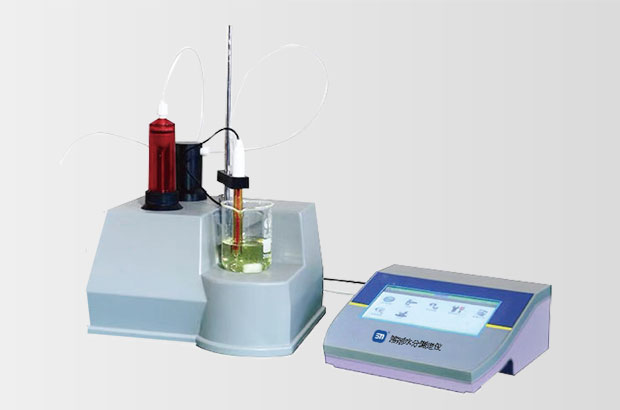
Solvent Moisture Tester: Hidden Moisture Control for Flexible Packaging & Pharma Compliance
07.09.2026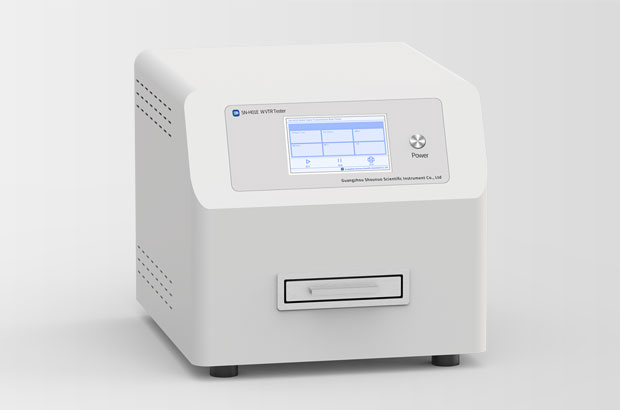
Water Vapor Transmission Rate Tester: Stop Moisture Damage, Extend Shelf Life
31.08.2026
Coefficient of Friction Tester: The Complete Guide to COF Testing for Packaging, Food & Pharma
24.08.2026
Flexible Packaging Compression Testers: Strategic QA for Global Markets
17.08.2026


