If you’ve ever had to measure water vapor transmission rate (WVTR) for a high‑barrier film, you already know: the method matters as much as the material. And when it comes to reliable, repeatable results, ASTM F1249 is the standard that most people in packaging R&D or QC turn to first.
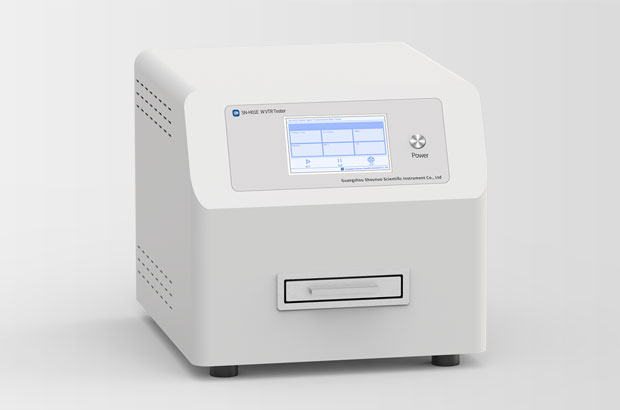
But let’s be honest—walking into a purchase decision for an ASTM F1249 WVTR testing instrument can feel overwhelming. There are infrared sensors, coulometric detectors, single‑cell vs. multi‑cell setups, and price tags that vary by a factor of three. After spending years running WVTR tests for food, pharma, and even flexible electronics clients, I’ve picked up a few lessons that aren’t in the glossy brochures. Here they are.
A lot of people still remember the gravimetric method (ASTM E96)—you know, the desiccant cups in a humidity chamber. It works, but it’s slow. For modern barrier films that need results in hours or days, not weeks, ASTM F1249 is a lifesaver.
The core idea is simple: clamp your film between two chambers—one wet (say, 90% RH), one bone dry—and let a stream of dry nitrogen carry any water vapor that permeates through to an infrared sensor. Because the sensor is modulated, it can pick up tiny changes in moisture concentration without drifting over time. That’s the key advantage over older methods.
What this means in practice: you can test a 0.5 g/m²·day film in a single shift, not three days. For production QC, that changes everything.
There are two sensor camps in ASTM F1249 instruments, and people get surprisingly passionate about them.
1. Ignoring edge leakage. You’d be surprised how many “high” WVTR readings come from a poorly seated gasket or a scratched test cell. Always run a blank (e.g., a thick aluminum foil) to confirm your instrument’s baseline. If it reads above zero, you have a leak somewhere.
2. Not conditioning the sample. ASTM F1249 itself doesn’t require pre‑conditioning, but your material might. Nylon, for example, absorbs moisture from the air and changes its barrier property for the first 12 hours. Pre‑condition in your test environment (23°C/50% RH) for 24 hours, or you’ll see a drifting curve that never stabilizes.
3. Buying too many cells. Six‑cell instruments sound efficient, but unless you run six different samples daily, you’re paying for complexity. More cells also mean more potential leak points. For most labs, two or three independent cells are the sweet spot.
lso, don’t forget the consumables and service costs. Some manufacturers lock you into proprietary test cartridges that cost $200 each. Others use standard sizes you can buy from any seal supplier. That adds up over five years.
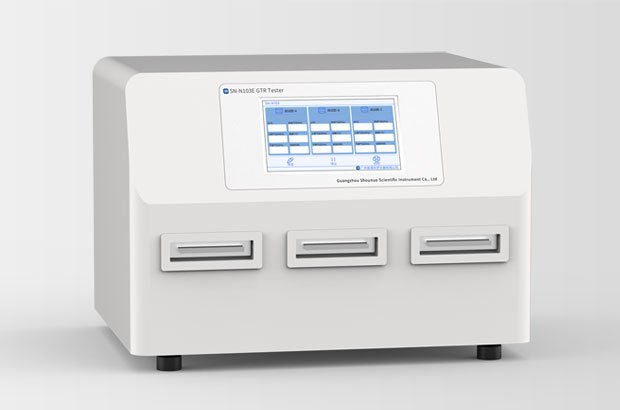
The best ASTM F1249 WVTR testing instrument for your lab is the one that matches your real barrier range, not the one with the lowest detection limit. I’ve seen too many labs overspend and then underutilize. On the flip side, I’ve also seen a pharma company try to use a cheap IR unit for a ultra‑high barrier drug package—and they failed stability twice before finally upgrading.
Take a few of your actual production films, send them to two different instrument vendors, and ask for a free test. See whose numbers make sense and whose service team answers questions without jargon. That’s how you’ll know.
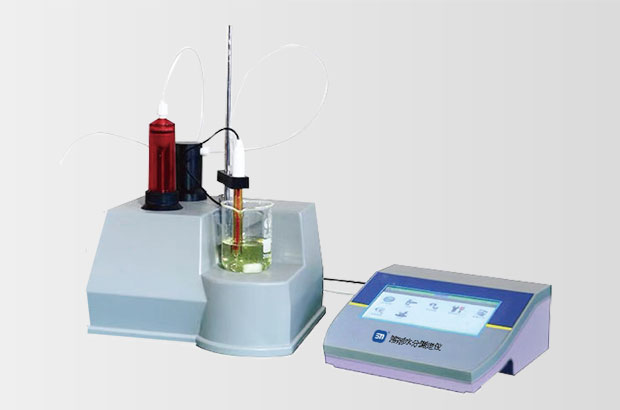
Solvent Moisture Tester: Hidden Moisture Control for Flexible Packaging & Pharma Compliance
07.09.2026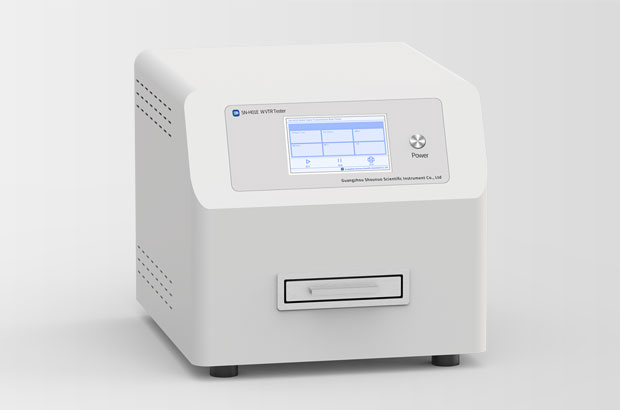
Water Vapor Transmission Rate Tester: Stop Moisture Damage, Extend Shelf Life
31.08.2026
Coefficient of Friction Tester: The Complete Guide to COF Testing for Packaging, Food & Pharma
24.08.2026
Flexible Packaging Compression Testers: Strategic QA for Global Markets
17.08.2026


