If you work with flexible packaging, you already know that water vapor is the enemy. But how do you really know if your film is doing its job? That’s where the ASTM F1249 WVTR testing instrument comes in. It’s not just a lab tool—it’s your early warning system against moisture-related failures.
In this guide, I’ll walk you through what this method actually does, why it beats the older alternatives, and what to look for when buying one. No fluff, just practical insights from someone who’s run these tests for years.
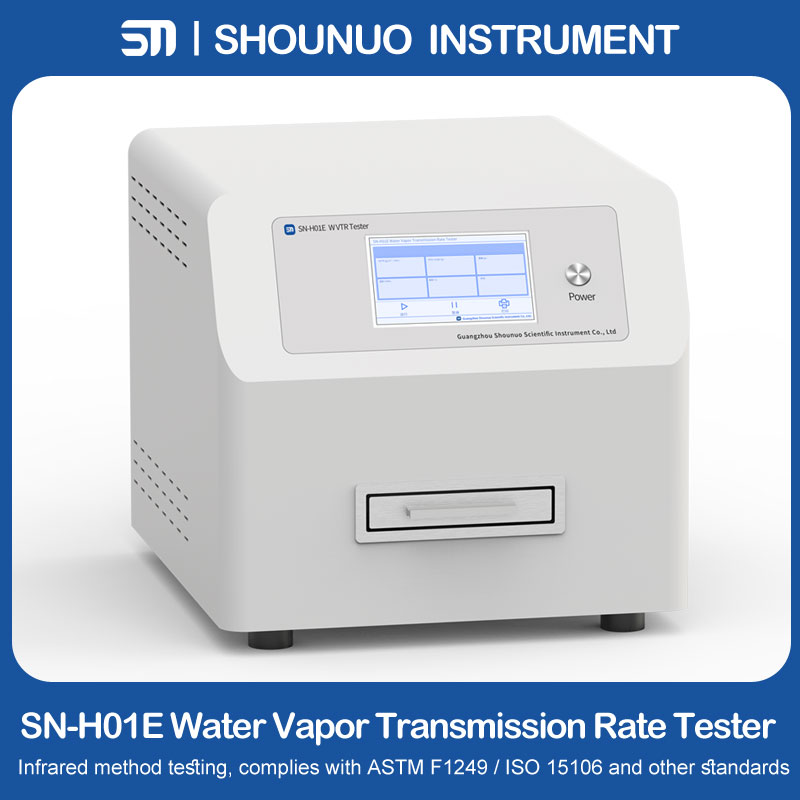
ASTM F1249 defines a test method for water vapor transmission rate (WVTR) using a modulated infrared (IR) sensor. In simple terms, it measures the steady‑state rate at which water vapor permeates through a film, sheet, or laminate under controlled temperature and humidity.
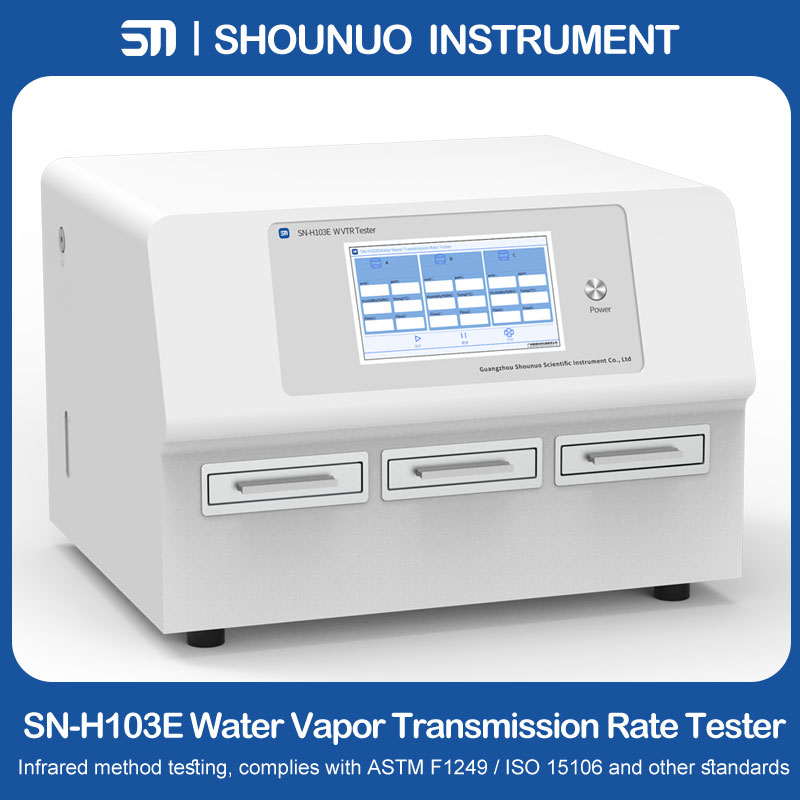
The test cell splits into two compartments: the high‑humidity side (usually 90% or 100% RH) and the low‑humidity side, which is swept by a dry carrier gas (nitrogen). Any water vapor that penetrates the specimen is carried to an IR detector that quantifies its concentration. The system then calculates WVTR in g/(m²·day) or other units.
What I appreciate most about this setup is that it provides continuous, real‑time data. You don’t wait for a weight change—you see the permeation curve as it happens, which helps you determine when steady state is actually reached.
If you’ve been around packaging testing, you’ve probably used ASTM E96—the desiccant or water method that relies on weighing. It’s simple and cheap, but it has serious limitations for today’s high‑barrier materials.
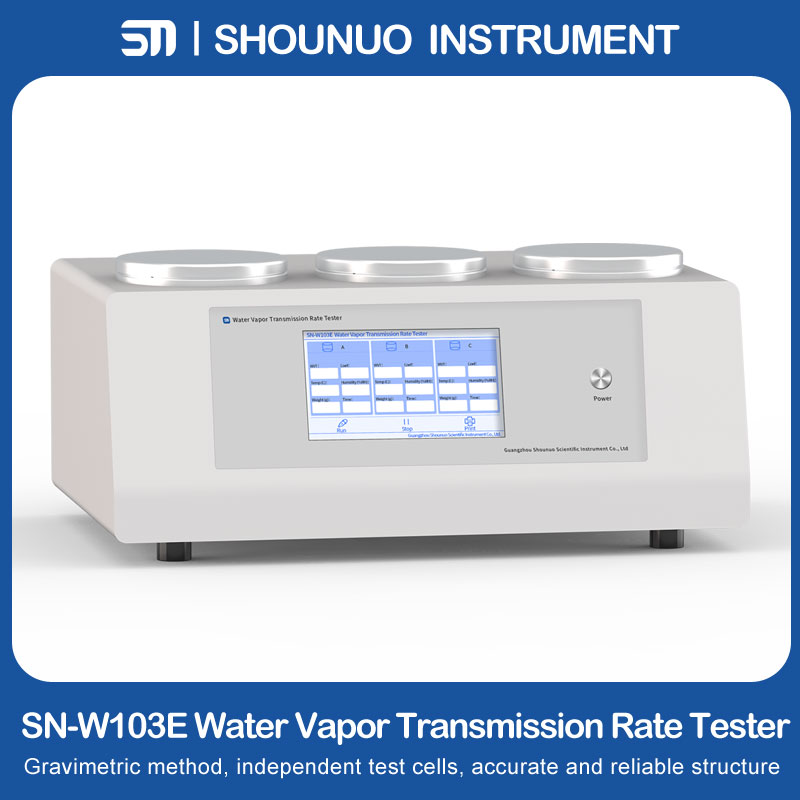
Here’s the truth: E96 can take days or even weeks, and it’s prone to human error from repeated weighings. The ASTM F1249 WVTR testing instrument gives you higher sensitivity, faster results, and far better repeatability. For films with WVTR below 1 g/(m²·day), F1249 is the clear winner. Many modern instruments can measure down to 0.005 g/(m²·day) or lower—levels that gravimetric methods simply can’t detect reliably.
I’ve seen labs waste weeks on E96 only to get inconclusive data. Switching to F1249 saved them time and gave them confidence in their material specifications.
The applications are broader than you might think. Obviously, food packaging is a big one—think snacks, coffee, and dried goods that lose crispness or flavor with moisture ingress. But there’s more:
Every industry has its own threshold, but the common denominator is that you can’t manage what you don’t measure. And the ASTM F1249 WVTR testing instrument gives you that measurement with authority.
Not all testers are equal. Based on my experience, here are the key features to prioritize:
Over the years, I’ve picked up a few practical tips that aren’t always in the manual:
The ASTM F1249 WVTR testing instrument isn’t just a piece of lab equipment—it’s a strategic asset. It helps you select the right materials, validate supplier claims, and avoid costly field failures. Whether you’re in R&D, QC, or procurement, investing in this capability pays for itself many times over.
If you’re still relying on guesswork or outdated methods, I strongly urge you to consider upgrading. Your products—and your customers—will thank you.
Solvent Moisture Tester: Hidden Moisture Control for Flexible Packaging & Pharma Compliance
07.09.2026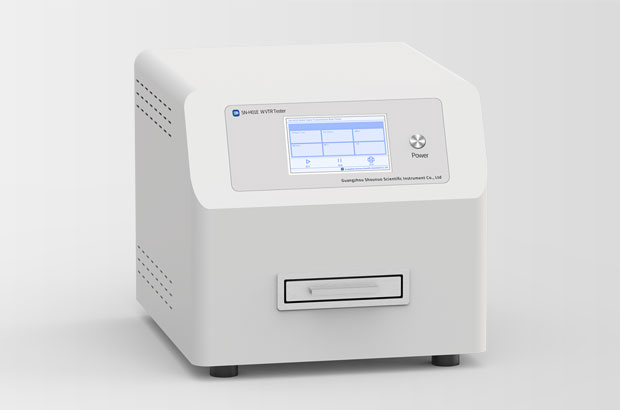
Water Vapor Transmission Rate Tester: Stop Moisture Damage, Extend Shelf Life
31.08.2026
Coefficient of Friction Tester: The Complete Guide to COF Testing for Packaging, Food & Pharma
24.08.2026
Flexible Packaging Compression Testers: Strategic QA for Global Markets
17.08.2026


