In the packaging industry, ensuring the integrity of sealed containers is of utmost importance. A single leak in a sealed package can lead to product spoilage, contamination, and ultimately, customer dissatisfaction. This is where sealing testers come into play. As a leading sealing tester supplier, I'm here to shed light on how these remarkable devices detect leaks in sealed containers.
Before delving into the detection methods, it's crucial to understand why leak detection is so vital. Sealed containers are used to protect a wide range of products, from food and beverages to pharmaceuticals and electronics. Any breach in the seal can expose the contents to external elements such as air, moisture, and microorganisms, which can compromise the quality and safety of the product.
For example, in the food industry, a leak in a package can allow oxygen to enter, leading to oxidation and spoilage of the food. In the pharmaceutical industry, a leak can contaminate the medication, rendering it ineffective or even harmful. Therefore, accurate and reliable leak detection is essential to maintain product quality and compliance with industry regulations.
There are several types of sealing testers available in the market, each using different techniques to detect leaks. Some of the most common types include:
The Vacuum Decay Seal Tester is a non-destructive testing method that measures the change in pressure within a sealed container when it is subjected to a vacuum. This method is based on the principle that a leak in the container will cause a change in the pressure as air escapes or enters the package.
The testing process involves placing the sealed container in a test chamber and creating a vacuum around it. The pressure inside the chamber is then monitored over a specific period. If there is a leak in the container, the pressure inside the chamber will change, indicating the presence of a leak. The sensitivity of the vacuum decay method allows for the detection of even the smallest leaks, making it suitable for a wide range of applications.
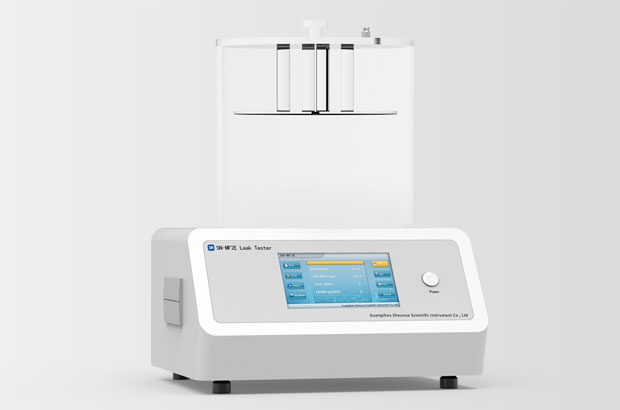
The SN-MF2E Leak Tester is another popular type of sealing tester. It uses a combination of pressure and flow measurement to detect leaks in sealed containers. This tester works by applying a known pressure to the container and measuring the flow of air through the container.
If there is a leak in the container, the air will flow through the leak, and the flow rate will be higher than normal. The SN-MF2E Leak Tester can accurately measure the flow rate and determine the size and location of the leak. This method is particularly useful for detecting leaks in flexible packaging materials, such as plastic bags and pouches.
The Seal Strength Tester is designed to measure the strength of the seal on a container. While it doesn't directly detect leaks, it can provide valuable information about the integrity of the seal. A weak seal is more likely to develop leaks over time, so testing the seal strength is an important part of the quality control process.
The seal strength tester works by applying a controlled force to the seal until it breaks. The force required to break the seal is then measured, providing an indication of the seal's strength. By testing the seal strength, manufacturers can ensure that the seals on their containers are strong enough to withstand normal handling and storage conditions.
Now that we've introduced the different types of sealing testers, let's take a closer look at how they actually detect leaks in sealed containers.
As mentioned earlier, the vacuum decay method is based on the principle of pressure change. When a sealed container is placed in a vacuum chamber, the pressure inside the chamber is reduced. If the container is leak-free, the pressure inside the container will also decrease, and the pressure difference between the inside and outside of the container will remain constant.
However, if there is a leak in the container, air will either enter or escape from the container, causing a change in the pressure inside the chamber. This change in pressure is detected by a pressure sensor, which sends a signal to the tester's control system. The control system then analyzes the pressure data and determines whether a leak is present.
The sensitivity of the vacuum decay method can be adjusted by changing the vacuum level and the testing time. A higher vacuum level and a longer testing time can increase the sensitivity of the test, allowing for the detection of smaller leaks.
The SN-MF2E Leak Tester uses a combination of pressure and flow measurement to detect leaks. First, the tester applies a known pressure to the sealed container. If the container is leak-free, the pressure inside the container will remain constant, and there will be no flow of air through the container.
However, if there is a leak in the container, air will flow through the leak, and the flow rate will be proportional to the size of the leak. The tester measures the flow rate using a flow sensor and compares it to a pre-set threshold. If the flow rate exceeds the threshold, the tester indicates that a leak is present.
The pressure and flow measurement method is particularly effective for detecting leaks in containers with complex shapes or in flexible packaging materials. It can also provide information about the location of the leak, which can be useful for troubleshooting and quality control purposes.
The seal strength tester focuses on the strength of the seal rather than directly detecting leaks. To perform a seal strength test, the tester grips the sealed area of the container and applies a gradually increasing force until the seal breaks. The force required to break the seal is recorded as the seal strength.
A low seal strength may indicate that the seal is weak and prone to leaks. By testing the seal strength regularly, manufacturers can identify potential issues with the sealing process and make adjustments to ensure that the seals are strong enough to prevent leaks.
Sealing testers are used in a wide range of industries to ensure the quality and integrity of sealed containers. Some of the most common applications include:
In the food and beverage industry, sealing testers are used to ensure that products are properly sealed to prevent spoilage and contamination. They are used to test a variety of packaging materials, including cans, bottles, pouches, and cartons. By detecting leaks early in the production process, manufacturers can avoid costly product recalls and maintain customer confidence.
The pharmaceutical industry has strict regulations regarding the quality and safety of its products. Sealing testers are used to ensure that pharmaceutical products are properly sealed to prevent contamination and maintain their efficacy. They are used to test a variety of packaging types, including blister packs, vials, and ampoules.
In the electronics industry, sealing testers are used to ensure that electronic components are protected from moisture and dust. They are used to test the seals on electronic enclosures, such as mobile phone cases and computer hard drives. By detecting leaks in these enclosures, manufacturers can prevent damage to the electronic components and improve the reliability of their products.
Sealing testers play a crucial role in ensuring the quality and integrity of sealed containers. By using advanced detection techniques such as vacuum decay, pressure and flow measurement, and seal strength testing, these devices can accurately detect leaks in a wide range of packaging materials and container types.
As a sealing tester supplier, we are committed to providing our customers with high-quality, reliable sealing testers that meet their specific needs. Whether you are in the food and beverage, pharmaceutical, or electronics industry, we have the right solution for you.
If you are interested in learning more about our sealing testers or would like to discuss your specific leak detection requirements, please feel free to contact us. Our team of experts is ready to assist you in finding the best sealing tester for your application.
Previous article:ASTM F1249 WVTR Testing Instrument: What Actually Works in the Lab
Next article:Top 10 tearing meter Factory in the world 2025
Back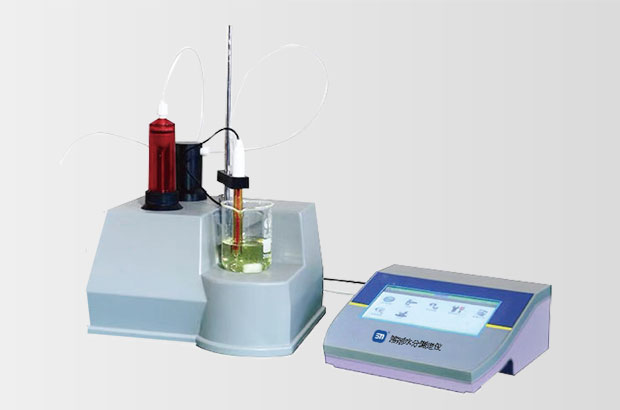
Solvent Moisture Tester: Hidden Moisture Control for Flexible Packaging & Pharma Compliance
07.09.2026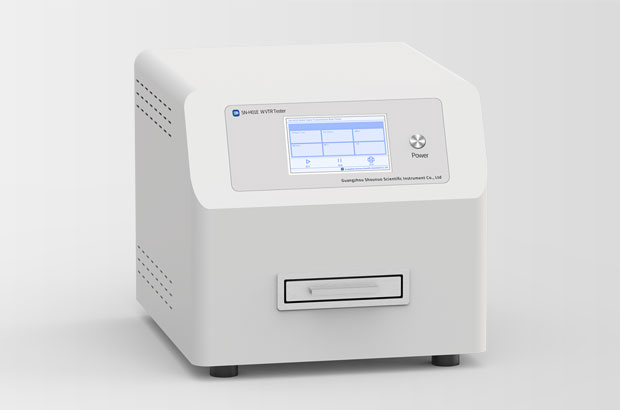
Water Vapor Transmission Rate Tester: Stop Moisture Damage, Extend Shelf Life
31.08.2026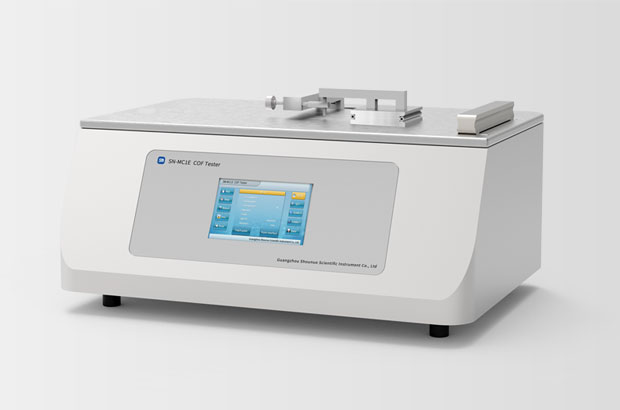
Coefficient of Friction Tester: The Complete Guide to COF Testing for Packaging, Food & Pharma
24.08.2026
Flexible Packaging Compression Testers: Strategic QA for Global Markets
17.08.2026


