If you work anywhere near the printing or packaging industry, you already know that the ink on a wrapper isn’t just about looks. What stays behind after the ink dries—those residual solvents—can end up in food, medicine, or everyday consumer goods. And that’s where things get serious. Regulators are watching, consumers are more aware than ever, and one missed contaminant can mean a product recall or worse.

That’s why gas chromatography (GC) has become the go‑to method for tracking residual solvents in printing inks. It’s not new technology, but it’s proven, reliable, and—when set up right—fast enough to keep up with high‑volume production lines.
Printing inks are mixtures of pigments, resins, additives, and solvents. After printing and drying, small amounts of solvents like toluene, xylene, ethyl acetate, acetone, MEK, and butyl acetate can linger. The limits are tight: many regulations—including FDA 21 CFR 175.300, EU 10/2011, and China’s GB 4806.14‑2023—cap total residual solvents at 10 mg/m², with the benzene‑toluene‑xylene group limited to just 3 mg/m². Meeting those numbers isn’t optional; it’s a condition of doing business.
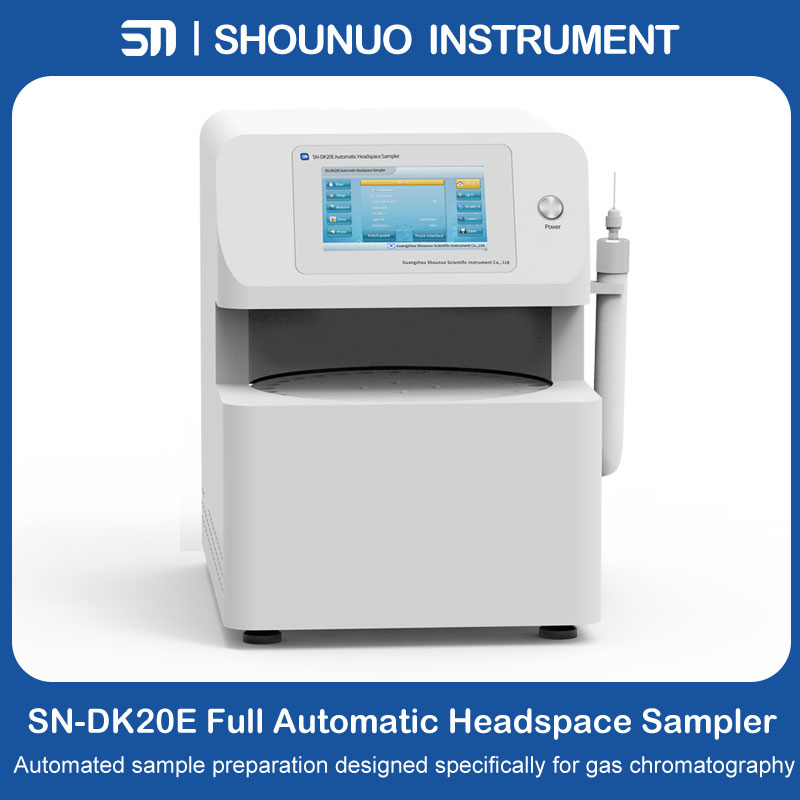
Most labs today use headspace gas chromatography (HS‑GC). Here’s the basic idea: seal a sample in a vial, heat it so the solvents vaporise into the air above the sample, then inject that vapour into the GC. It’s surprisingly simple, and that simplicity brings real benefits:
Across the industry, GC isn’t just sitting in a lab—it’s solving everyday problems:
The technology keeps moving. Automation is reducing hands‑on time; portable GC systems are starting to appear for on‑site checks; and machine learning models are being trained to predict migration behaviour from VOC profiles. Faster columns and broader spectral libraries are also making it easier to tackle new ink formulations as they emerge.

Gas chromatography has earned its place in printing ink testing—not because it’s flashy, but because it works. It gives you the numbers you need to protect your products, your people, and your reputation. As safety limits get stricter and supply chains demand more transparency, having a solid GC capability isn’t just about keeping up with regulations—it’s about staying ahead of the competition. And that’s something every printer and packager can get behind.
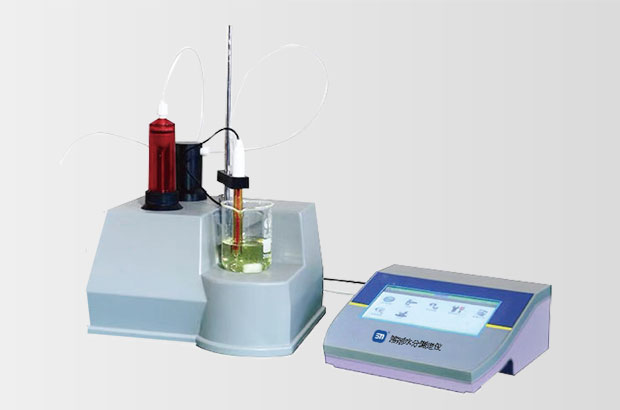
Solvent Moisture Tester: Hidden Moisture Control for Flexible Packaging & Pharma Compliance
07.09.2026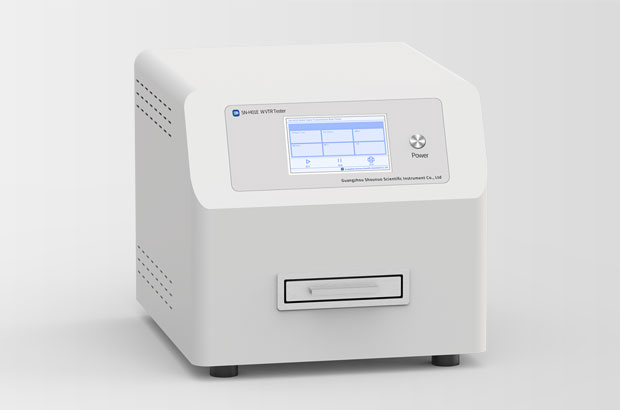
Water Vapor Transmission Rate Tester: Stop Moisture Damage, Extend Shelf Life
31.08.2026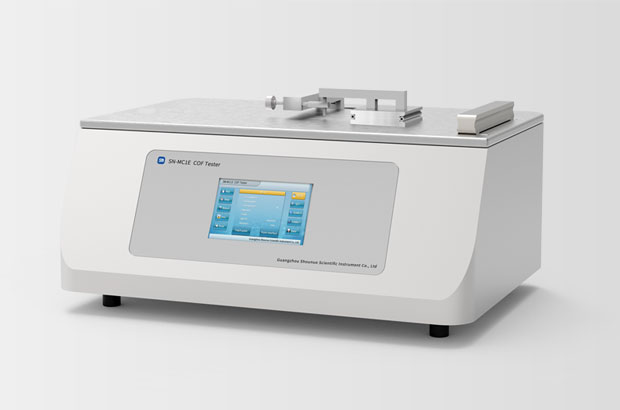
Coefficient of Friction Tester: The Complete Guide to COF Testing for Packaging, Food & Pharma
24.08.2026
Flexible Packaging Compression Testers: Strategic QA for Global Markets
17.08.2026


