In the competitive world of packaging, the integrity of every material is paramount. From the corrugated cardboard of a shipping box to the flexible plastic of a food pouch, the strength and durability of these materials directly impact product safety, shelf appeal, and brand reputation. This is where a Universal Tensile Testing Machine proves to be an indispensable asset. As a cornerstone of quality control labs, this versatile piece of Material Testing Equipment provides the critical data needed to ensure packaging performs as intended under stress.
So, what exactly is a Universal Tensile Testing Machine? In essence, it is a precision instrument designed to apply controlled tensile, compressive, and flexural forces to a material sample until it fails. By measuring the material's reaction to this applied force, the machine generates precise data on key properties such as tensile strength, elongation, peel strength, and tear resistance. The modern Digital Tensile Tester variant elevates this process with digital accuracy, intuitive software, and detailed reporting, making data analysis more efficient and reliable than ever before.
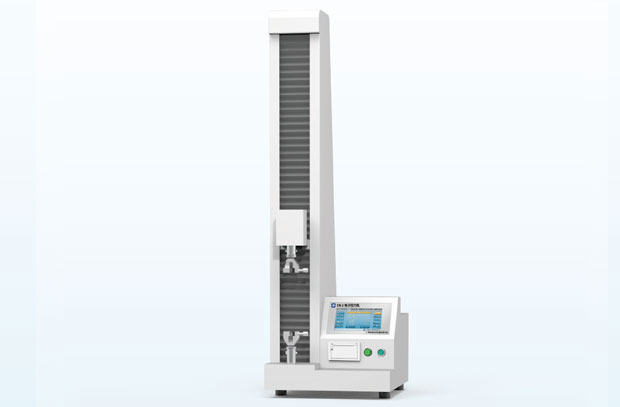
The applications of this technology within the packaging industry are vast and critical. For instance, it is used to test the tensile strength of plastic films and laminates to ensure they can withstand the rigors of filling, sealing, and transportation without splitting. It measures the peel strength of adhesive seals on pouches and lids, guaranteeing they remain securely closed yet are easy for consumers to open. For paper and cardboard, a Universal Tensile Testing Machine can determine the puncture resistance of corrugated boards and the tear resistance of paper, which are vital for protecting goods during shipping and handling. By simulating these real-world stresses in a controlled environment, manufacturers can predict and prevent potential packaging failures.
Why should packaging manufacturers invest in this specific type of Material Testing Equipment? The reasons are rooted in quality, cost, and innovation. Firstly, it provides objective, quantifiable proof of quality. Relying on assumptions about material strength is a significant business risk. A Digital Tensile Tester delivers hard data that confirms materials meet specified standards and customer requirements, thereby reducing the risk of product damage returns and protecting your brand's image. Secondly, it leads to significant cost savings. By identifying substandard materials early in the production process, companies can avoid costly batch failures and waste. Furthermore, the data can be used to optimize material usage, potentially allowing for lightweighting without compromising strength, which reduces material costs.
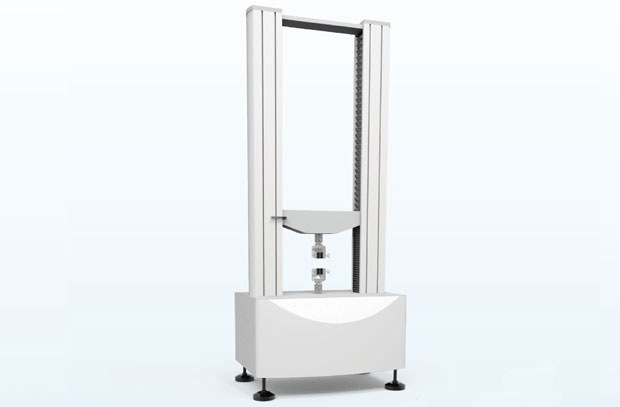
In conclusion, the Universal Tensile Testing Machine is far more than just a quality control device; it is a strategic tool for any serious player in the packaging industry. It empowers businesses to build a reputation for reliability, optimize their operations for efficiency, and drive innovation in material science. Integrating a modern Digital Tensile Tester into your quality assurance protocol is not an expense, but a crucial investment in the durability of your products and the strength of your brand.
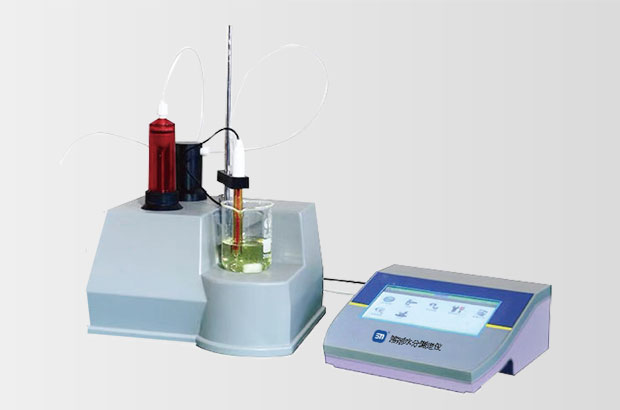
Solvent Moisture Tester: Hidden Moisture Control for Flexible Packaging & Pharma Compliance
07.09.2026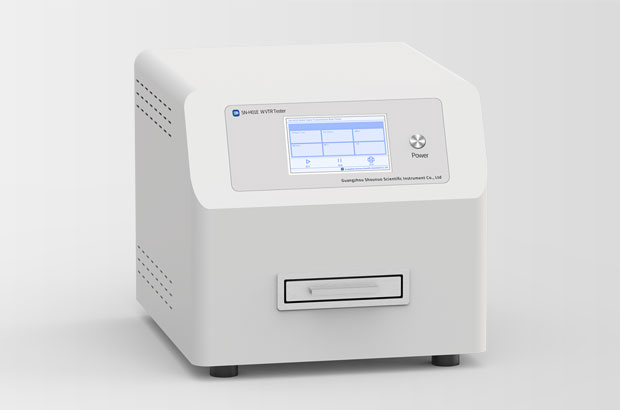
Water Vapor Transmission Rate Tester: Stop Moisture Damage, Extend Shelf Life
31.08.2026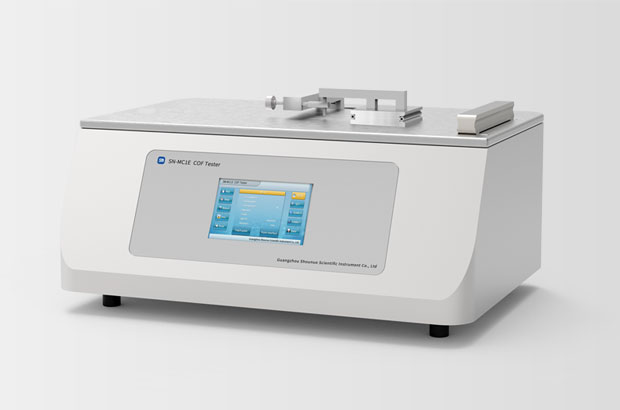
Coefficient of Friction Tester: The Complete Guide to COF Testing for Packaging, Food & Pharma
24.08.2026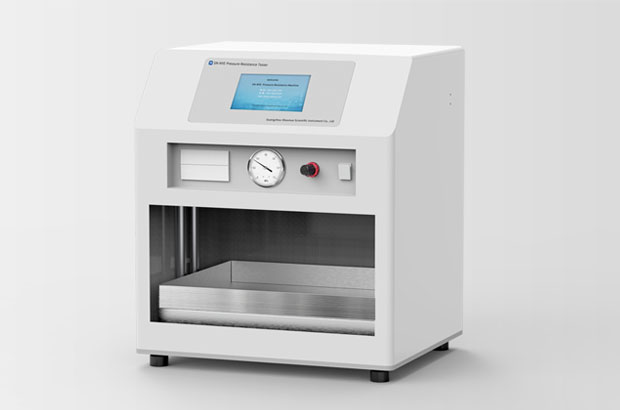
Flexible Packaging Compression Testers: Strategic QA for Global Markets
17.08.2026


